Electric motorcycles are no longer futuristic concepts they’re dominating roads in 2026. With cutting-edge battery technology, ultra-fast charging, and performance that rivals (and often beats) petrol bikes, the EV revolution on two wheels is accelerating faster than ever. In this guide, we break down the best electric motorcycles of 2026, compare their range, pricing, and performance, and explore how they differ from traditional petrol bikes in real-world riding.
Why Electric Motorcycles Will Be a Tipping Point in 2026.
For years, electric motorcycles occupied an awkward middle ground genuinely exciting on paper, frustrating in practice. That story is changing fast, and in 2026 specifically, it’s changing along all three dimensions at once.
Battery Technology Has Made the Leap
High-voltage systems up to 98V, early-stage solid-state battery deployments, and dramatically improved thermal management have pushed real-world usable range into territory that meaningfully changes how you plan a riding day. The top electric models in 2026 offer between 100 and 160 miles of real-world combined range — and the critical word there is “real-world,” not manufacturer claim. A practical rule of thumb: plan around 70–80% of the advertised figure, accounting for headwinds, cold weather, highway speeds, and rider weight.
The Charging Network Is Genuinely Usable Now
The CCS (Combined Charging System) connector has consolidated as the dominant fast-charging standard across both North America and Europe, and most 2026 electric motorcycles support it natively or via a simple adapter. The practical result is that the same charging stations serving electric cars can serve your motorcycle — and there are many more of them than there were in 2022 or 2023.
The Price Conversation Is Changing
Electric motorcycles still carry a higher upfront purchase price than comparable petrol machines. That’s simply true and worth acknowledging. What the total cost of ownership calculation shows, however, is a different picture over a three-to-five-year period. Electricity per mile is a fraction of petrol costs.
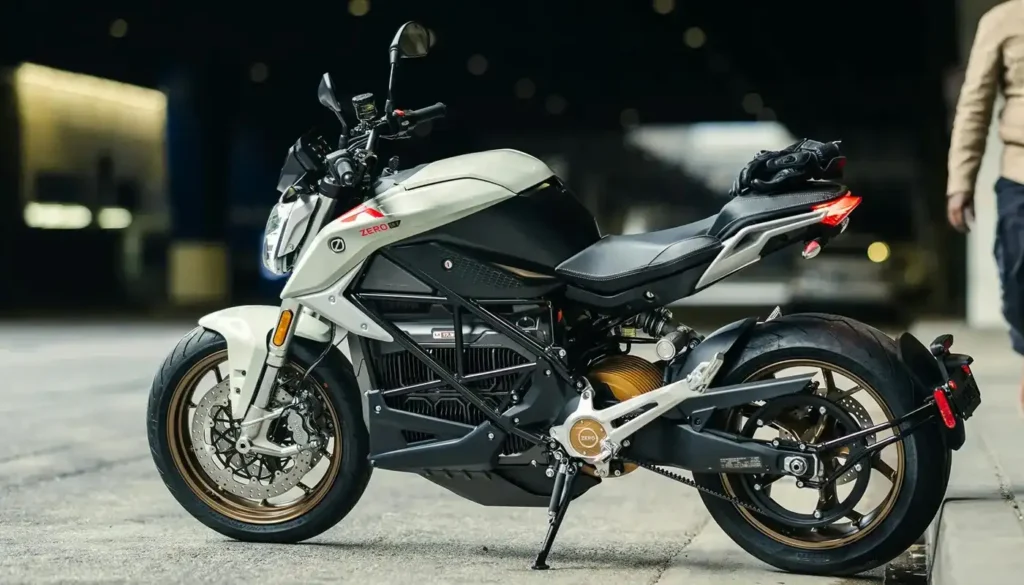
Best Electric Motorcycles 2026
Zero Motorcycles’ SR/F remains the benchmark against which every other electric street motorcycle is measured in 2026. In its latest iteration, the SR/F offers a claimed 161 miles of city range — the highest of any non-touring electric motorcycle in production — powered by its 14.4 kWh battery (expandable to 16 kWh with the optional Power Tank accessory). The Cypher III operating system offers one of the deepest customisation suites available on any motorcycle, electric or petrol: you can tune throttle response, regenerative braking strength, and power output to a degree that makes most ride-mode systems look superficial.
The 110 hp motor produces an entirely different kind of acceleration from what petrol riders expect. There is no power band to find, no gear change to time — just an immediate, linear surge from the moment you open the throttle. In the city, this is addictive. On twisting backroads, it is genuinely thrilling. The SR/F is also among the more mature charging platforms in the segment, with Level 2 charging capable of reaching 95% in under an hour with the optional accessory charger.
| SPECIFICATION | DETAIL |
|---|---|
| Motor Power | 110 hp / 82 kW |
| Peak Torque | 140 Nm (103 lb-ft) — instant delivery |
| Battery Capacity | 14.4 kWh standard / 16 kWh with Power Tank |
| City Range (claimed) | 161 miles (259 km) |
| Combined Range (est.) | ~123 miles (198 km) |
| Top Speed | 124 mph (200 km/h) |
| Charging (Level 2) | ~1 hour to 95% with accessory charger |
| Charging (Standard) | ~4–8 hours (Level 1 / Level 2 standard) |
| Curb Weight | 220 kg (485 lb) |
| Ride Modes | Fully customisable via Cypher III OS |
| Connectivity | Bluetooth app integration, OTA updates |
| MSRP | ~$19,495 USD |
Strengths
- Longest range in street electric class
- Deep Cypher III ride customisation
- 110 hp — genuinely fast motorcycle
- Mature, well-developed platform
- Power Tank option extends range further
Limitations
- No DC fast charging (Level 1 & 2 only)
- Heavy at 220 kg
- Premium price point
- Charging times long without accessory charger
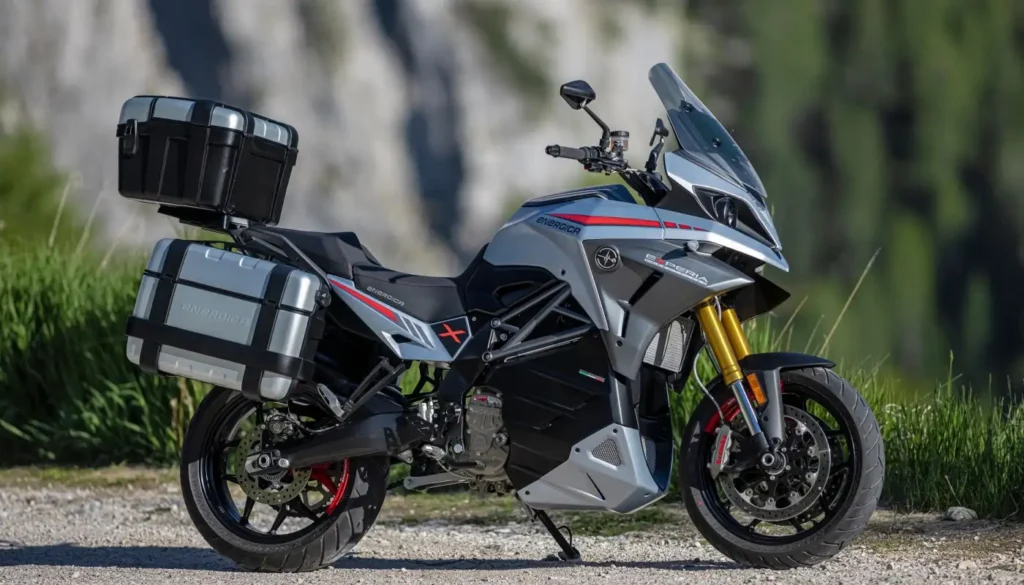
If Zero makes the electric street motorcycle to beat, Energica has built the electric touring motorcycle the rest of the industry is still catching up to. The Experia’s 22.5 kWh battery pack is the largest in production on a traditional lithium-ion platform in 2026, delivering a claimed 261 miles of city range and a more realistic 160 miles combined. That combined figure is what matters for anyone planning a multi-day tour — and unlike most competitors, the Experia supports CCS DC fast charging natively, meaning a 20–80% top-up takes roughly 40 minutes at a compatible fast charger. For long-distance riding, that changes the calculus dramatically.
The adventure-touring ergonomics are genuine — this is not a sport bike wearing ADV clothes. Integrated luggage compatibility, a comfortable upright riding position, and advanced electronics including lean-angle-sensitive ABS and traction control make the Experia a serious machine for serious riders. The Italian-made quality of construction is immediately evident. At $23,750, it is expensive by any measure — but it is the most capable electric touring motorcycle in production.
| SPECIFICATION | DETAIL |
|---|---|
| Motor Power | ~102 hp / 75 kW continuous |
| Battery Capacity | 22.5 kWh — largest in class |
| City Range (claimed) | 261 miles (420 km) |
| Combined Range (est.) | ~160 miles (256 km) |
| Top Speed | ~112 mph (180 km/h) |
| DC Fast Charging | Yes — CCS standard, 20–80% in ~40 min |
| Level 2 Charging | ~3.5 hours full charge |
| Curb Weight | ~260 kg |
| Luggage Compatibility | Yes — integrated pannier system |
| Electronics Suite | Lean-angle ABS, traction control, ride modes |
| MSRP | ~$23,750 USD |
Strengths
- Largest battery in class — 22.5 kWh
- DC fast charging — only major touring EV to offer this
- Genuine touring capability with luggage system
- Advanced lean-angle electronics
- Italian build quality — exceptional finish
Limitations
- Most expensive bike on this list
- Heavy at ~260 kg
- Range drops sharply at sustained highway speeds
- Dealer network more limited than Zero
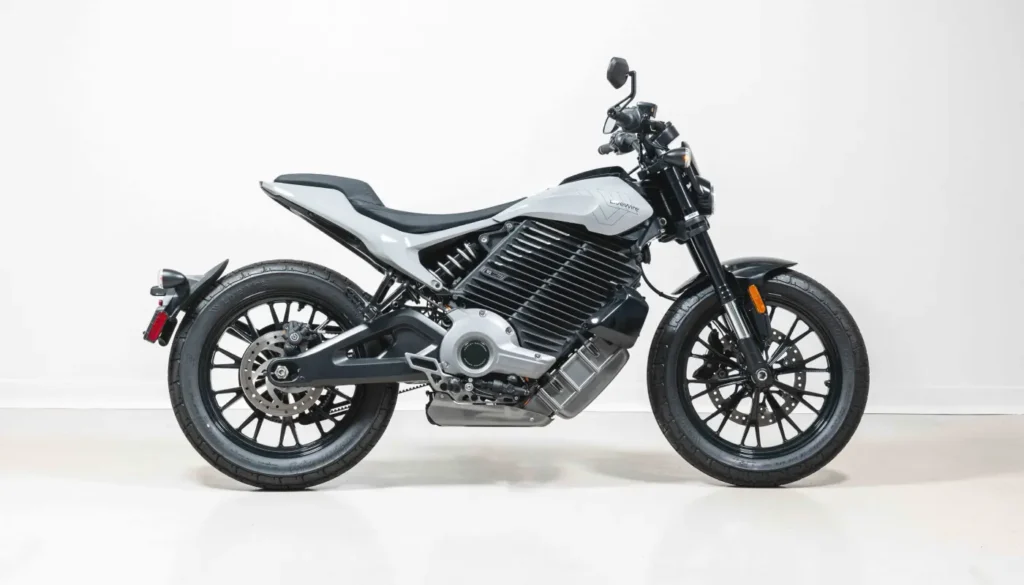
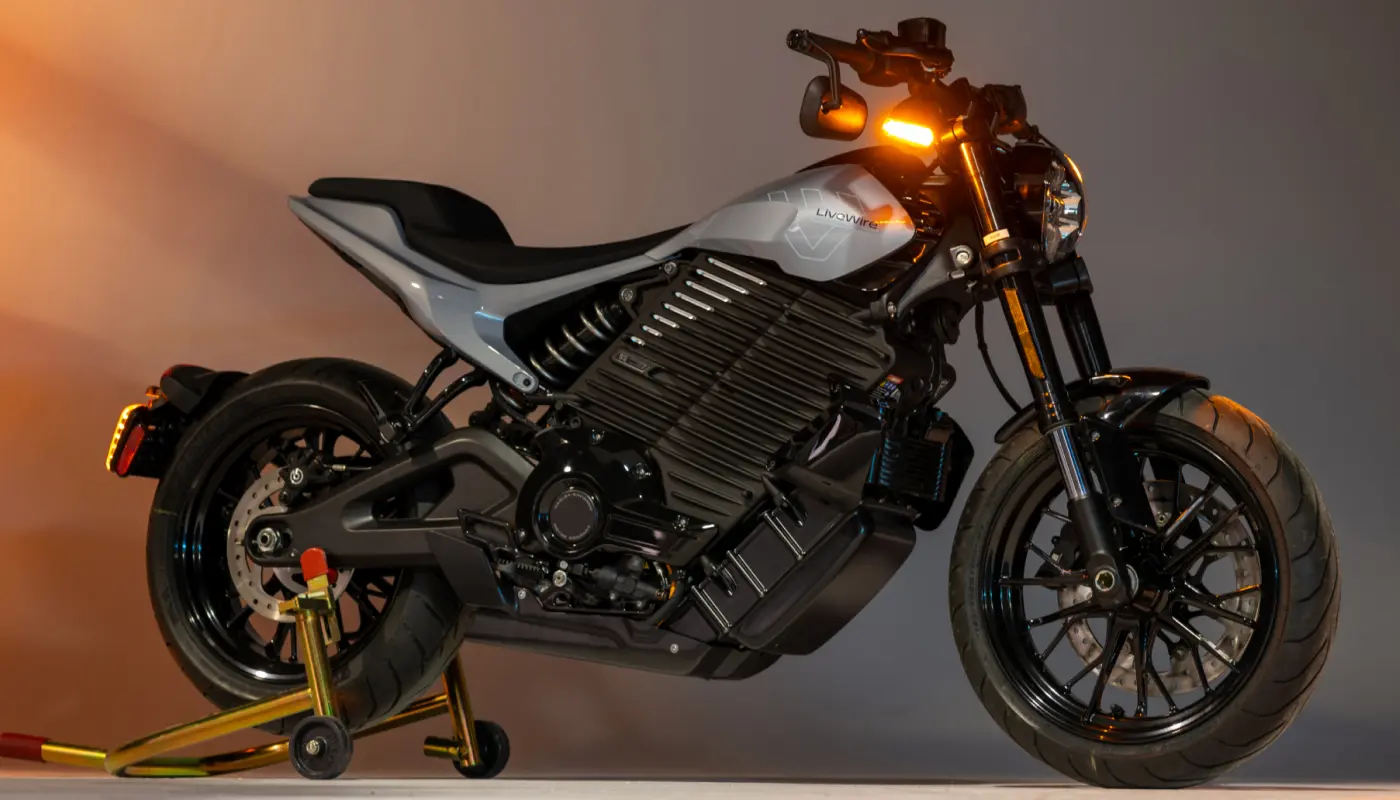
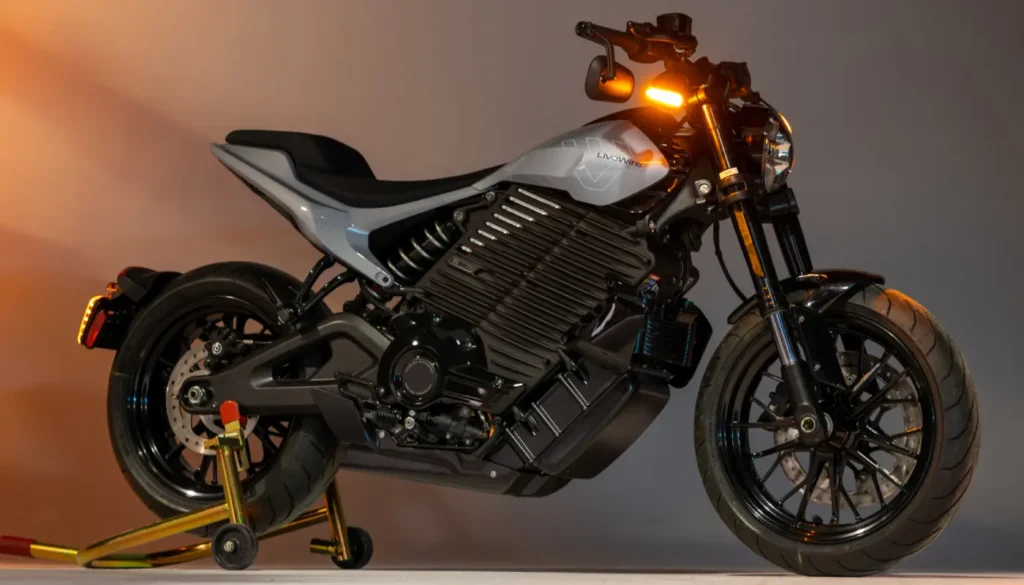
The LiveWire S2 Del Mar is built on the Arrow platform — a modular electric architecture designed to underpin multiple models — and what it delivers is a street motorcycle that manages to look genuinely distinctive rather than just “electric.” The flat-tracker aesthetic with 19-inch Dunlop tyres on both wheels gives it a visual personality most electric bikes lack entirely. It is a narrow, light machine by electric standards, and that translates directly into a riding character that feels nimble and engaging in the way a sports bike does, not just quick in a straight line.
The 10.5 kWh battery produces 80 hp and a claimed 113 miles of city range, with a more honest real-world figure around 80 miles in mixed conditions. Charging via Level 2 takes the battery from 20% to 80% in around 78 minutes. The six-axis IMU-backed electronics — lean-angle-sensitive traction control and ABS across five ride modes — represent a level of technical sophistication that punches well above the $15,499 price point. If you want an electric motorcycle that looks and feels like a real motorcycle rather than a statement about energy, the Del Mar is your bike.
| SPECIFICATION | DETAIL |
|---|---|
| Motor Power | 80 hp / 60 kW |
| Battery Capacity | 10.5 kWh |
| City Range (claimed) | 113 miles (182 km) |
| Real-World Range | ~75–85 miles mixed riding |
| Top Speed | 110 mph (177 km/h) |
| Charging (Level 2) | 20–80% in ~78 min |
| Charging (Level 1) | ~5.9 hours (0–100%) |
| DC Fast Charging | No (Level 1 & 2 only on S2 platform) |
| Electronics | 6-axis IMU, lean-angle TC & ABS, 5 ride modes |
| Connectivity | Bluetooth, LiveWire Connect app, tyre pressure monitoring |
| MSRP | ~$15,499 USD |
Strengths
- Best-looking electric motorcycle in production
- Lean-angle IMU electronics at this price
- Narrow, lightweight — flickable city bike
- 5 ride modes including fully customisable
- Strong brand identity from H-D heritage
Limitations
- No DC fast charging on S2 platform
- Real-world range well below city-cycle claim
- 10.5 kWh battery modest vs. Zero SR/F
- Switchgear ergonomics divide opinion
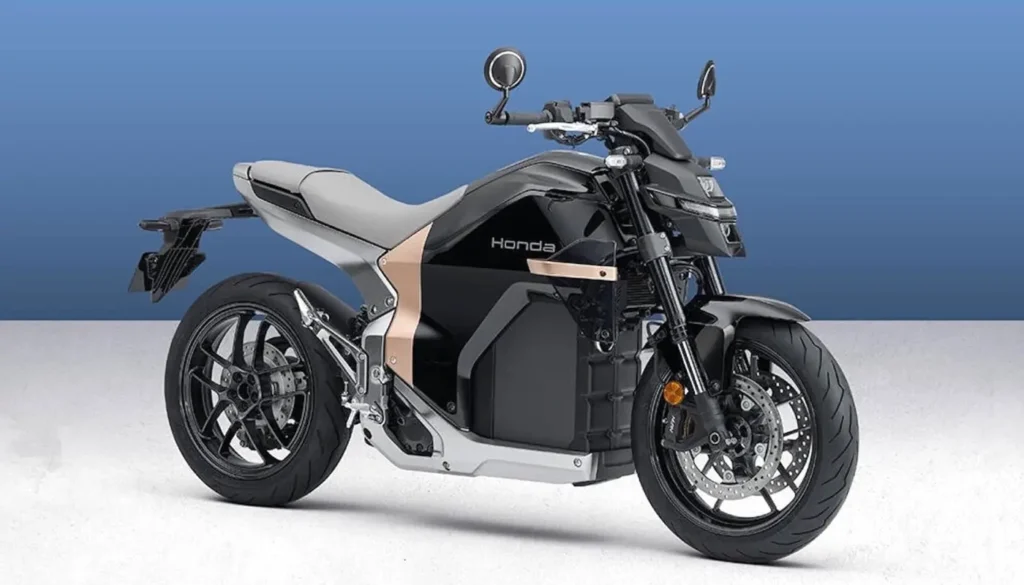
Honda’s arrival in the full-size electric motorcycle segment with the WN7 is significant not just as a product, but as a signal. When the world’s largest motorcycle manufacturer commits to electric with its first full-size platform, the technology has crossed a credibility threshold that no startup can replicate. The WN7 is a naked/standard layout with practical ergonomics, smartphone connectivity, and — crucially — DC fast charging capability that most of its competitors still lack. As Honda’s first-generation electric motorcycle platform, the WN7 is conservative by design: not trying to break records, but to demonstrate that electric can be reliable, familiar, and everyday-usable in the way Honda’s petrol machines have always been.
| SPECIFICATION | DETAIL |
|---|---|
| Motor Configuration | Permanent magnet synchronous |
| Range (mid-pack est.) | ~80–100 miles combined |
| DC Fast Charging | Yes — CCS compatible |
| Connectivity | Smartphone integration, navigation |
| Riding Position | Upright naked/standard |
| MSRP | ~$17,599 USD (est.) |
Strengths
- Honda reliability and dealer network
- DC fast charging included as standard
- Familiar ergonomics — easy transition from petrol
- Strong OEM warranty and parts support
Limitations
- First-generation platform — expect refinement updates
- Conservative specification vs. specialist EV brands
- Range mid-pack compared to Zero SR/F
Charging Infrastructure in 2026
Level 1 — Home Standard Outlet
A standard domestic socket. Adds roughly 3–5 miles of range per hour. A full charge from empty typically takes 8–12 hours — ideal overnight. Every electric motorcycle supports it. Not practical for rapid top-ups.
Level 2 — 240V Public / Home Wallbox
The J1772 plug type covers 80–90% of public charging points. Charges at roughly 30 miles per hour of charging. A full charge takes 3–5 hours depending on battery size. The right daily-use solution for most riders.
DC Fast Charge — CCS Standard
The CCS connector adds 60–100 miles in 20–30 minutes at highway stations. Currently supported by Energica Experia and Honda WN7 among leading models. Zero SR/F and LiveWire S2 Del Mar do not support it — check before buying if touring is your priority.
Head-to-Head Comparison: Top Electric Motorcycles of 2026
| SPECIFICATION | ZERO SR/F | ENERGICA EXPERIA | LIVEWIRE S2 DEL MAR | HONDA WN7 |
|---|---|---|---|---|
| MOTOR POWER | 110 hp ★ Most Powerful | ~102 hp | 80 hp | TBC (est. ~65–80 hp) |
| BATTERY CAPACITY | 14.4 kWh (16 kWh w/ Power Tank) | 22.5 kWh ★ Largest | 10.5 kWh | Mid-range (est. ~12 kWh) |
| CITY RANGE (CLAIMED) | 161 miles ★ Best (street) | 261 miles (touring optimised) | 113 miles | ~80–100 miles (est.) |
| COMBINED RANGE (EST.) | ~123 miles | ~160 miles ★ Best overall | ~75–85 miles | ~75–95 miles |
| TOP SPEED | 124 mph ★ Fastest | ~112 mph | 110 mph | ~80–95 mph (est.) |
| DC FAST CHARGING (CCS) | No | Yes — 20–80% in ~40 min ★ | No (Level 1 & 2 only) | Yes |
| LEVEL 2 CHARGE TIME | ~1 hr to 95% (accessory charger) | ~3.5 hrs (full) | ~78 min (20–80%) | TBC |
| RIDE MODES | Fully customisable via Cypher III | Multiple — incl. rain mode | 5 modes incl. custom | Yes |
| LEAN-ANGLE ABS / TC | Standard ABS / TC | Yes — lean-angle sensitive ★ | Yes — 6-axis IMU ★ | ABS standard |
| CURB WEIGHT | 220 kg | ~260 kg | ~200 kg ★ Lightest | TBC |
| LUGGAGE / TOURING READY | No (street focus) | Yes — integrated system ★ | No | Limited (commuter focus) |
| STARTING MSRP (USD) | ~$19,495 | ~$23,750 | ~$15,499 ★ Most Affordable | ~$17,599 (est.) |
| BEST FOR | Street performance, max range | Long-distance touring | Urban style, tech features | Brand reliability, beginners |
Essential Gear for the Electric Motorcycle Rider
Switching to electric doesn’t mean replacing your entire gear wardrobe — but there are some gear considerations that are specific or particularly relevant to electric motorcycle ownership. The silence of an electric bike changes how you experience your surroundings on a ride; the often-higher performance from a standing start means protection levels matter just as much as they do on a petrol machine. Here’s what we recommend.
Helmet
Electric motorcycles are quieter — but that also means you hear wind noise more acutely at speed. A premium aerodynamic lid with excellent noise management pays off more on an electric than on a loud petrol machine. ECE 22.06 certified and Pinlock-equipped as a minimum.
Jacket
Electric motorcycles accelerate faster than their spec sheets suggest. CE Level 2 armour at shoulders, elbows, and back is essential. A four-season textile jacket with waterproofing suits the urban-to-adventure riding profile of most electric bike owners.
Boots
For the urban and commuter use case that many electric motorcycle owners ride, a boots-to-jeans-friendly touring boot with ankle protection and a sole that works on office floors is the practical choice. Waterproofing is worth prioritising for all-weather commuters.
Gloves
Touchscreen-compatible fingertips are non-negotiable for electric motorcycles — you will be interacting with your phone for navigation and charging apps regularly. Knox’s Handroid remains the gold standard for articulation combined with CE Level 2 knuckle protection.
Frequently Asked Questions
Final Thoughts: Is 2026 the Year to Go Electric?
The 2026 electric motorcycle market is the most mature, most compelling, and most practically usable it has ever been. The bikes available today from the Zero SR/F’s extraordinary range and deep customisation to the Energica Experia’s genuine touring capability and DC fast charging are real motorcycles by every meaningful measure. They are not compromises or experiments. They are the best versions of a new kind of two-wheeled machine.