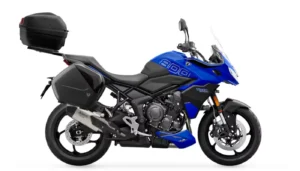
Long-distance motorcycle touring is one of the most rewarding ways to explore the open road—but the right accessories can make the difference between an unforgettable adventure and a tiring ride. Whether you’re crossing states, countries, or continents, having the proper motorcycle touring accessories improves comfort, safety, and overall riding enjoyment.
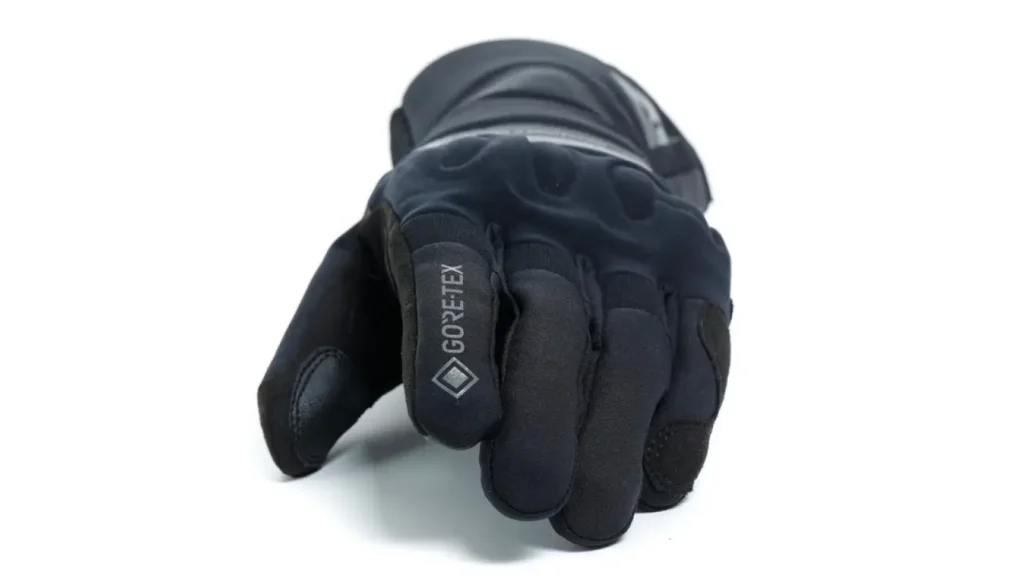
Your hands are your primary interface with the motorcycle. If they are cold, wet, or cramped, your safety and enjoyment plummet. For long-distance work, a single pair of gloves is rarely enough.
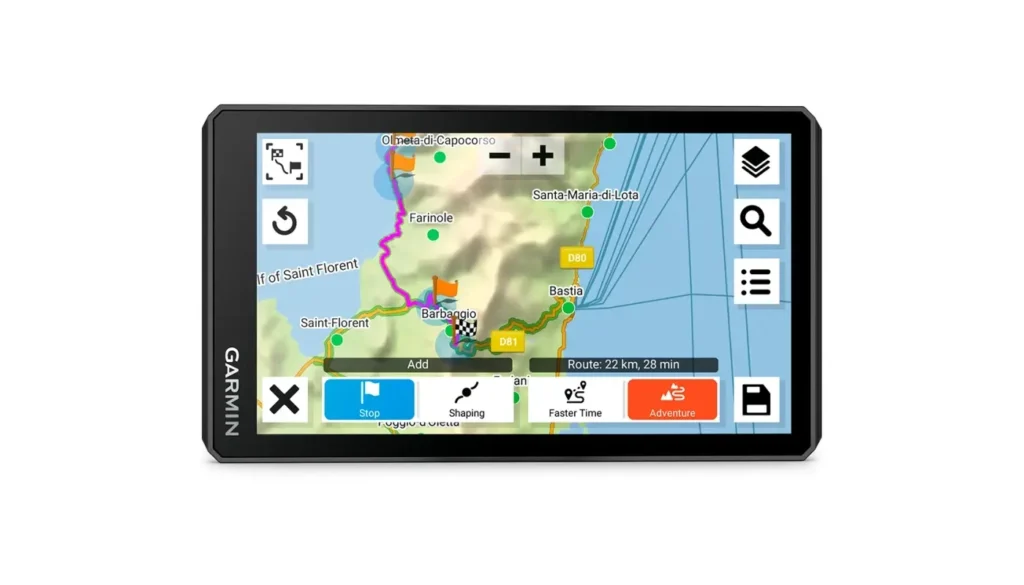
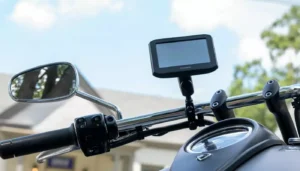
While smartphones are incredible, they aren’t always built for the vibration, heat, and glove-touch requirements of a 3,000-mile journey.
High-end units like the Garmin Zumo XT2 or TomTom Rider are sunlight-readable and won’t shut down due to thermal throttling. More importantly, they offer “Adventurous Routing” features that prioritize twisty, scenic roads over boring interstates.
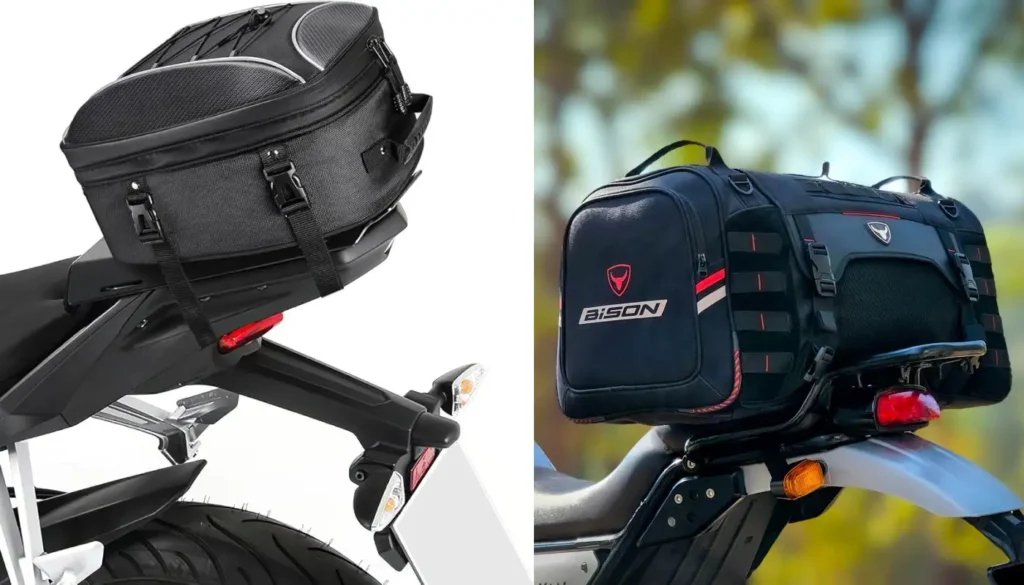
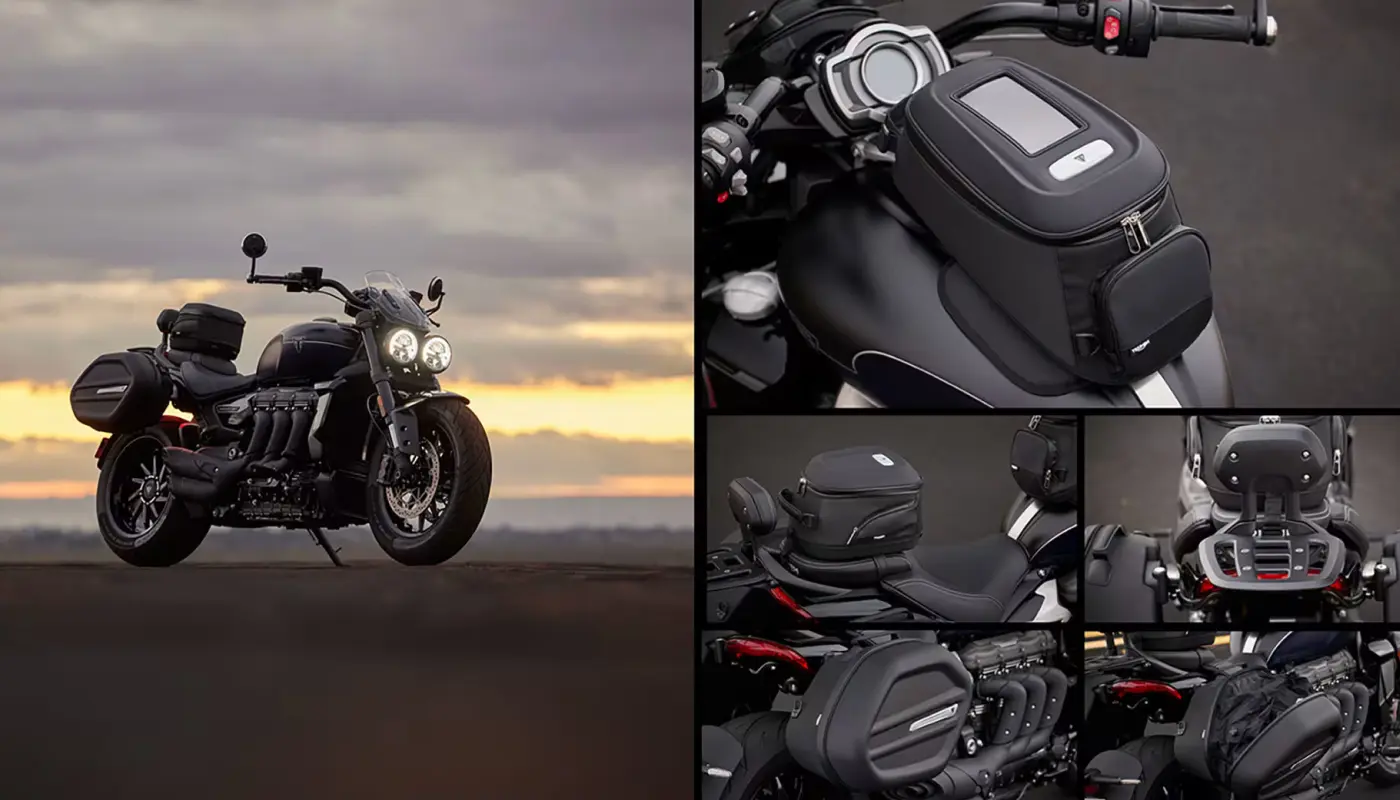
Weight distribution is critical for handling. In 2026, the trend has shifted toward Soft Luggage and Modular Dry Bags.Weight distribution is critical for handling. In 2026, the trend has shifted toward Soft Luggage and Modular Dry Bags.
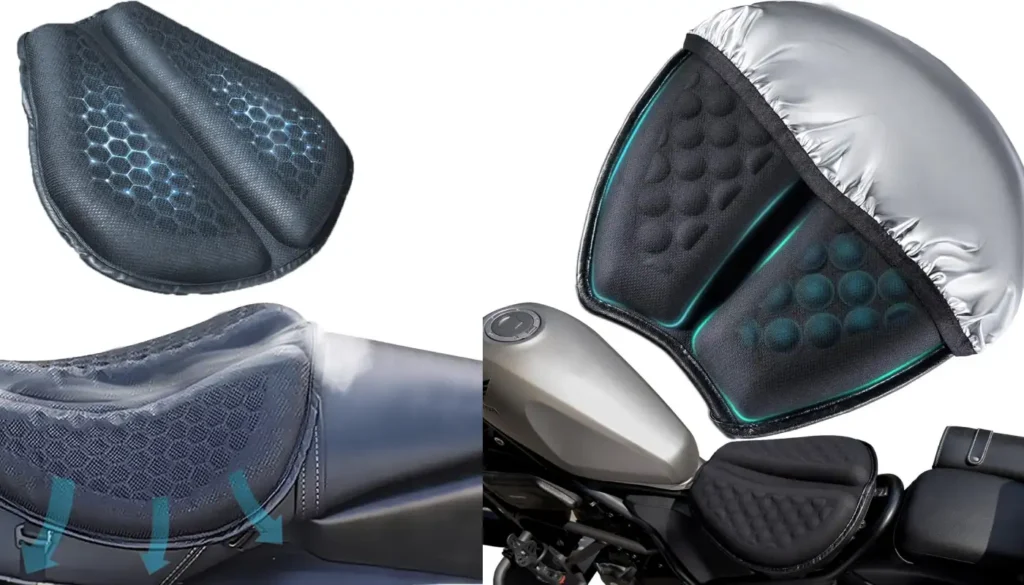
The “dreaded numb-butt” is the number one reason riders cut their days short. Even the best factory seats are designed for the “average” rider, which usually means they aren’t perfect for you.
Investing in a Comfort Seat (like those from Sargent or Corbin) or a high-quality Air-Cell Cushion can double your daily mileage. These accessories redistribute your weight across your sit-bones, preventing pressure points that restrict blood flow.
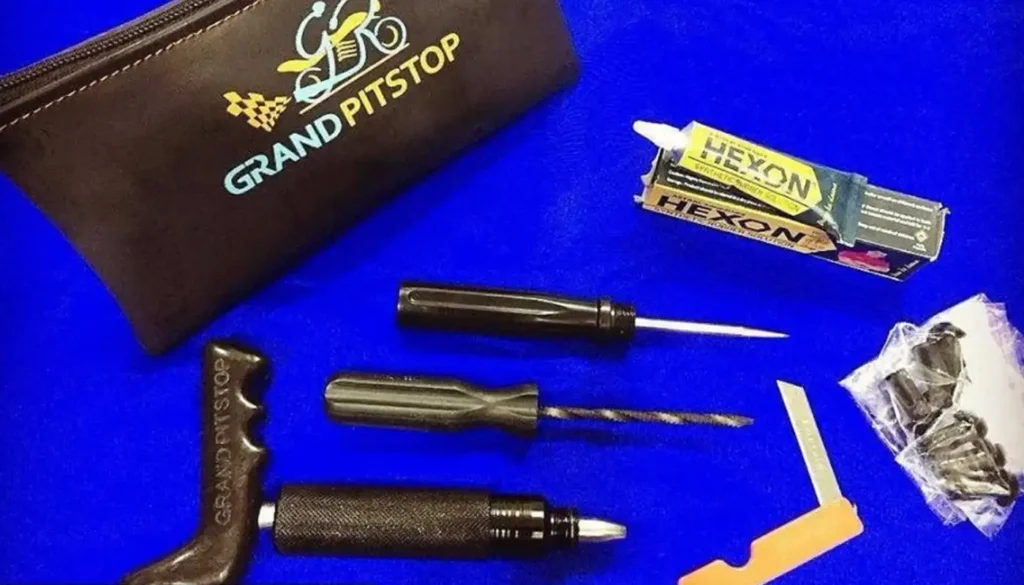
A flat tire in the middle of a remote tour is only a disaster if you aren’t prepared for it.
Modern Battery-Powered Inflators (about the size of a large smartphone) are now powerful enough to inflate two full motorcycle tires on a single charge. Pair this with a Tubeless Plug Kit, and a puncture becomes a 15-minute roadside break instead of a three-hour wait for a tow truck.
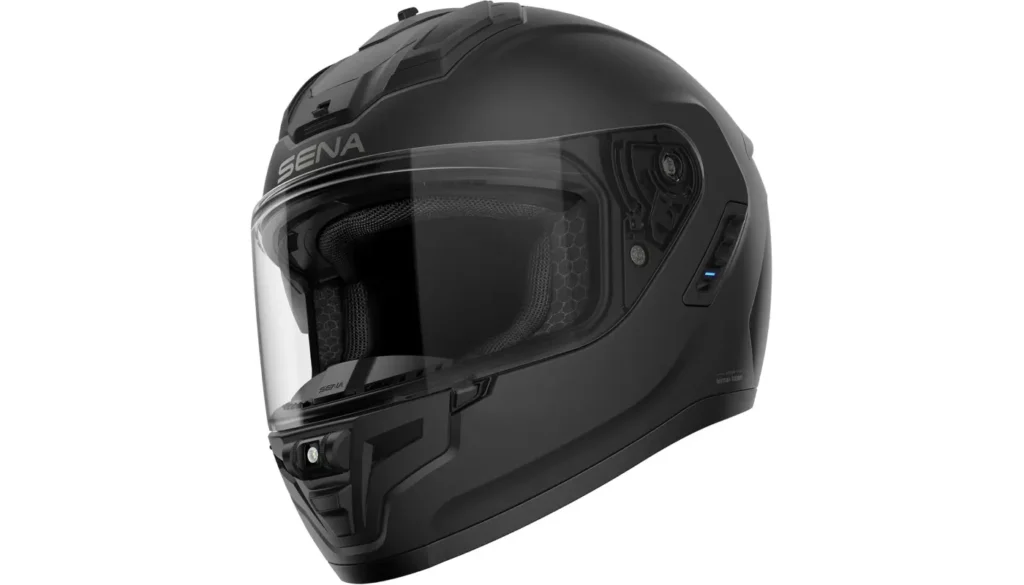
Wind noise at 70 mph can reach 100 decibels, which is enough to cause permanent hearing damage and massive rider fatigue.
While foam plugs work, Active Noise Cancelling (ANC) earplugs are the 2026 standard. They filter out the harmful “white noise” of the wind while allowing you to hear your engine’s RPM and the voice of your navigation system clearly.
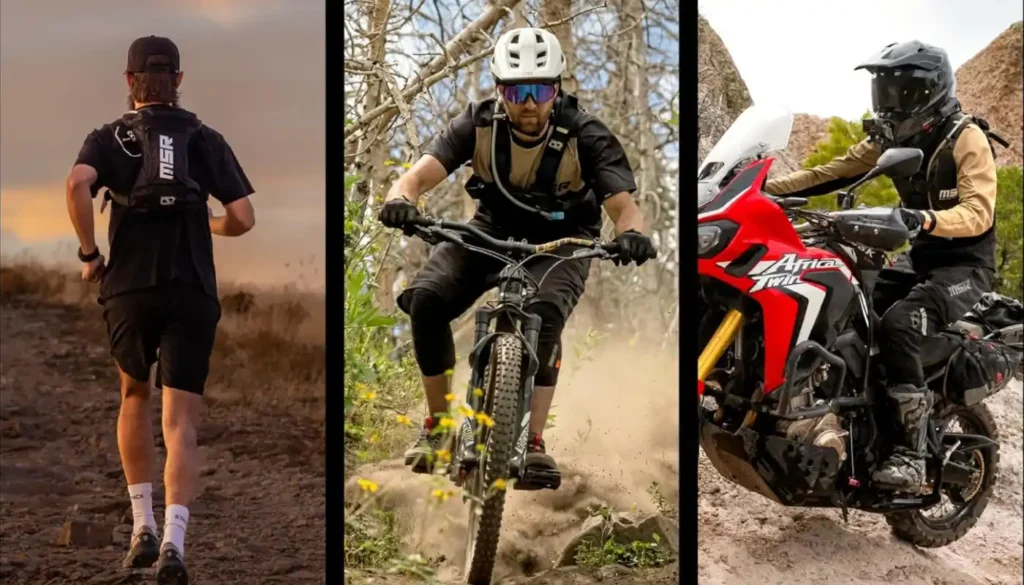
Dehydration is a silent killer of concentration. If you wait until you’re thirsty to drink, you’re already losing focus.
A 2-liter hydration bladder tucked into your jacket or a small backpack allows you to sip water while riding. It sounds simple, but staying hydrated keeps your muscles from cramping and your brain sharp for those final few miles of the day.
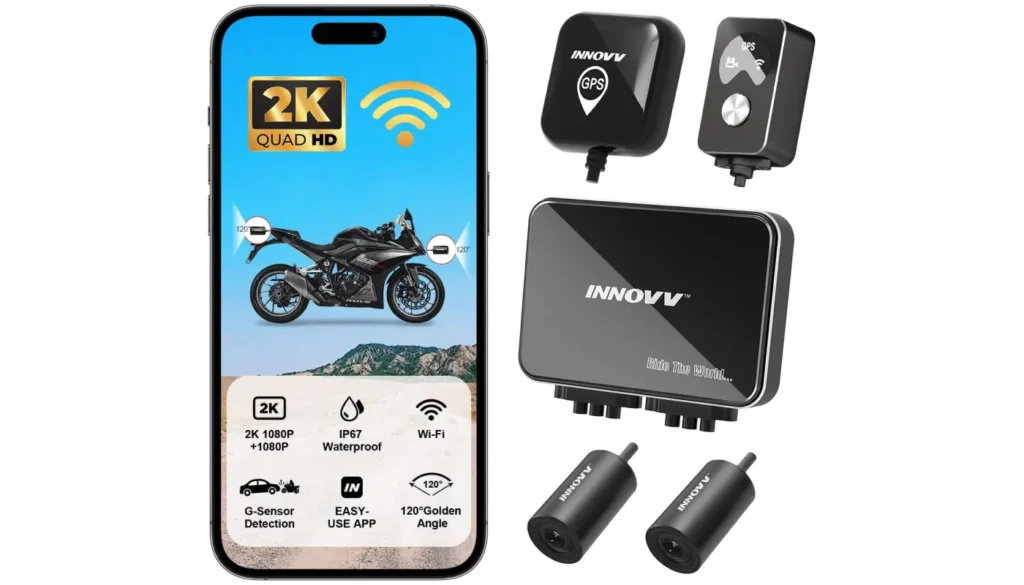
Beyond capturing the scenery, a dash cam (like the Innovv K-Series) serves as a vital insurance and safety tool.
These systems are hardwired to the bike and start recording automatically. In the event of an incident, you have an unbiased witness. For the touring rider, it also means you never miss that unexpected wildlife crossing or spectacular sunset because you were “too busy riding” to grab a camera.
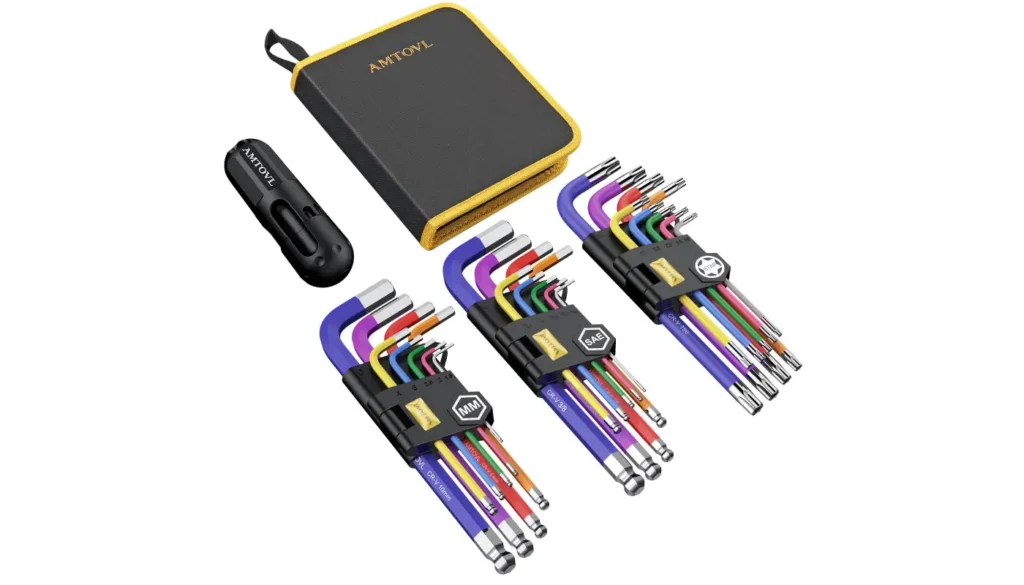
The tools provided under your seat are usually insufficient. You need a kit tailored to your specific machine.
Include the exact Torx or Hex keys needed for your bodywork, a pair of multi-pliers, zip-ties, and duck tape. A high-quality tool roll organized by size prevents you from digging through a bag of loose wrenches on the side of the road.
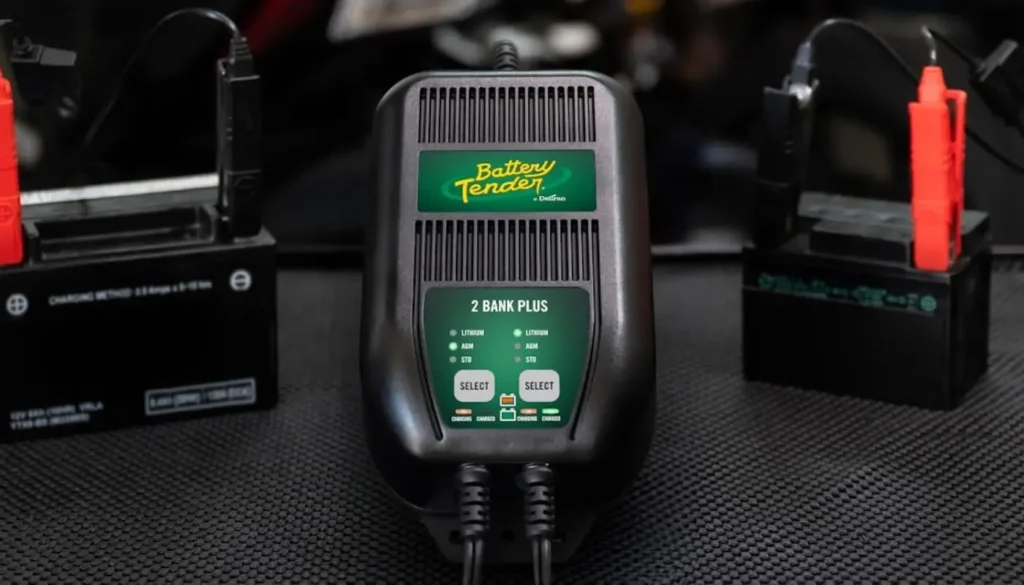
With GPS units, cameras, and phones, a touring bike is a mobile charging station.
A Jump-Starter Power Bank is a small lithium battery that can actually jump-start your motorcycle if the battery dies. It doubles as a massive charger for your electronics during a night of camping.
Touring Accessories Comparison Table
| Accessory | Priority | Key Benefit | Est. Price (2026) |
|---|---|---|---|
| GORE-TEX Gloves | High | Dry hands & better control | $150 – $250 |
| Dedicated GPS | Medium | Offline maps & route planning | $350 – $600 |
| Soft Panniers | High | Lightweight & crash-resistant | $400 – $800 |
| Tire Inflator | Essential | Roadside self-sufficiency | $60 – $120 |
| Hydration Pack | Medium | Mental clarity & endurance | $40 – $100 |
Essential Accessories: People Also Ask
Q: What are the most important accessories for long-distance motorcycle touring?
The most important touring accessories include riding gloves, a motorcycle GPS, luggage systems, comfort upgrades, and weather protection to reduce fatigue and improve safety.
Q: Is a motorcycle GPS better than using a smartphone for touring?
A dedicated motorcycle GPS is more durable, weather-resistant, and glove-friendly than a smartphone, making it better suited for long-distance touring.
Q: What type of luggage is best for long-distance motorcycle trips?
Hard panniers and top boxes offer better security and weather protection, while soft luggage is lighter and more flexible for adventure touring.
Q: Do touring gloves really make a difference on long rides?
Yes. Touring gloves reduce hand fatigue, improve grip, and provide weather protection, making them essential for long hours in the saddle.
Q: How can accessories improve comfort on long motorcycle rides?
Accessories like padded seats, windshields, cruise control aids, and ergonomic grips help reduce strain and keep riders comfortable over long distances.
Final Thoughts
We often think of adventure as the things we can’t control. But the most seasoned touring riders know that the true adventure begins when you are comfortable enough to look around. When you aren’t fighting a wet glove or worrying about your phone battery, you notice the smell of the pine forest, the temperature drop in the valley, and the way the light hits the mountains. These accessories aren’t just gadgets; they are the keys that unlock the world.