Getting into adventure riding has never been more exciting, especially with manufacturers building bikes that are easier to handle, more reliable, and genuinely fun right from day one. If you’ve been searching for the Best Adventure Motorcycles For Beginners in 2026 (Reliable & Fun), you’re in the right place.
In this guide, we’ll break down the top beginner friendly adventure motorcycles that deliver reliability, comfort, and just the right amount of thrill without overwhelming you.
Best Adventure Motorcycles For Beginners in 2026 (Reliable & Fun)
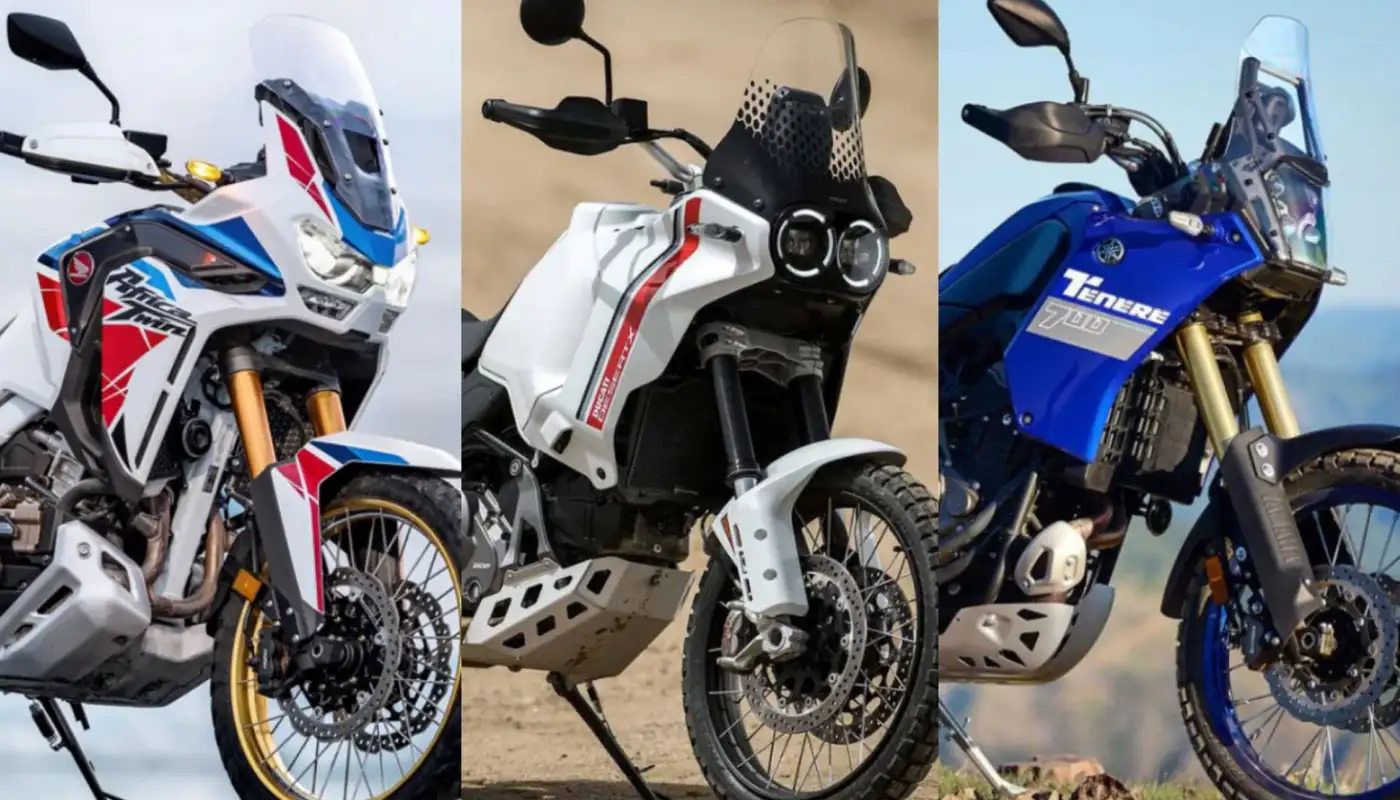
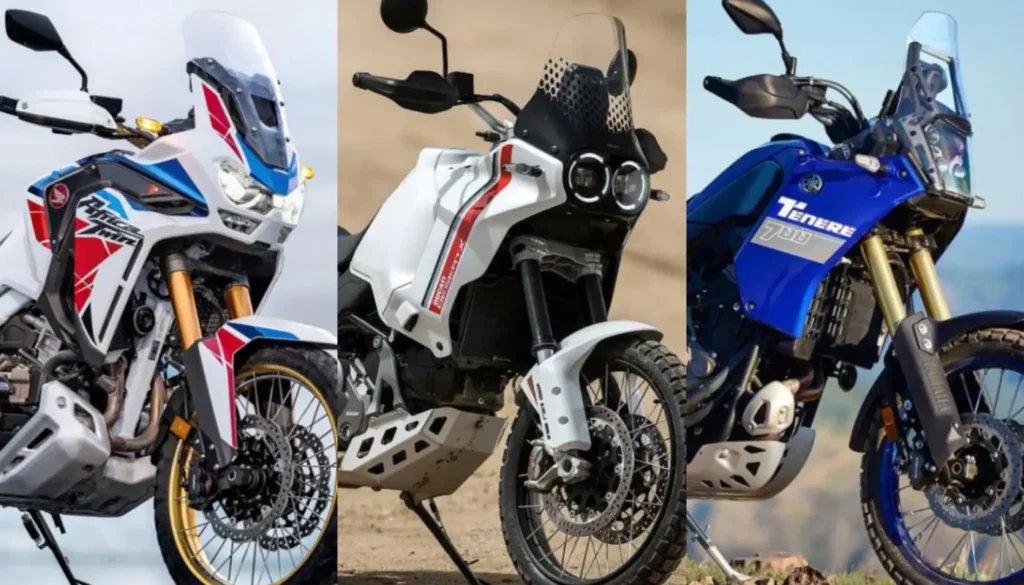
For beginners entering this world in 2026, the challenge isn’t finding an adventure bike — it’s choosing the right one. A good beginner ADV motorcycle must strike a delicate balance between power, weight, comfort, and off-road capability. Three motorcycles frequently stand out for new riders:
Each of these bikes offers a different pathway into adventure riding. Some prioritize ease of handling and affordability, while others focus on long-term capability as rider skills improve. Whether you’re planning weekend trails, cross-country touring, or simply exploring new roads, choosing the right first adventure motorcycle can shape your entire riding experience.
This guide compares these three beginner-friendly adventure bikes to help you find the one that best matches your riding goals, confidence level, and budget.
ADV Motorcycle Comparison (2026)
| Feature | Kawasaki Versys-X 300 | Royal Enfield Himalayan 450 | Yamaha Ténéré 700 |
|---|---|---|---|
| Engine Type | Parallel-twin, liquid-cooled | Single-cylinder, liquid-cooled | Parallel-twin (CP2), liquid-cooled |
| Displacement | 296 cc | 452 cc | 689 cc |
| Power Output | 40 hp | 40 hp | 72 hp |
| Torque | 25.7 Nm | 40 Nm | 68 Nm |
| Transmission | 6-speed | 6-speed | 6-speed |
| Weight (Wet) | 386 lbs (175 kg) | 196 kg (432 lbs) | 452 lbs (205 kg) |
| Seat Height | 32.1 in (815 mm) | 825 mm (adjustable) | 34.4 in (875 mm) |
| Front Wheel | 19-inch | 21-inch | 21-inch |
| Rear Wheel | 17-inch | 18-inch | 18-inch |
| Suspension Travel | Moderate (touring-focused) | Long travel (off-road ready) | Long travel (rally-focused) |
| Fuel Capacity | 4.5 gallons | 4.5 gallons | 4.2 gallons |
| Electronics | Basic (ABS only) | TFT, ride modes, traction control | Minimal (ABS, switchable) |
| Off-Road Capability | Light trails, gravel roads | Strong mid-level off-road | Excellent, rally-level capability |
| Highway Comfort | Very smooth twin-cylinder, great for touring | Good, but single-cylinder vibration | Excellent power for long-distance touring |
| Best For | Beginners, budget touring | Balanced ADV (on/off-road mix) | Experienced riders, hardcore ADV |
| Price | $5,799 | $5,799 – $6,399 | $10,999 + $675 |
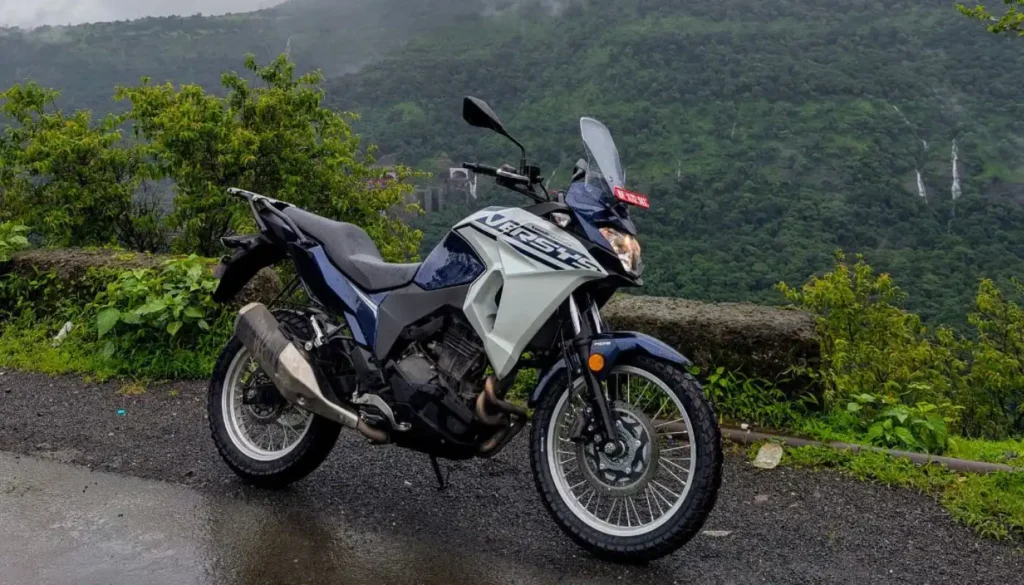
The Kawasaki Versys-X 300: The “Lightweight Voyager”
The Versys-X 300 remains a favorite in 2026 for its sheer reliability and ease of use.
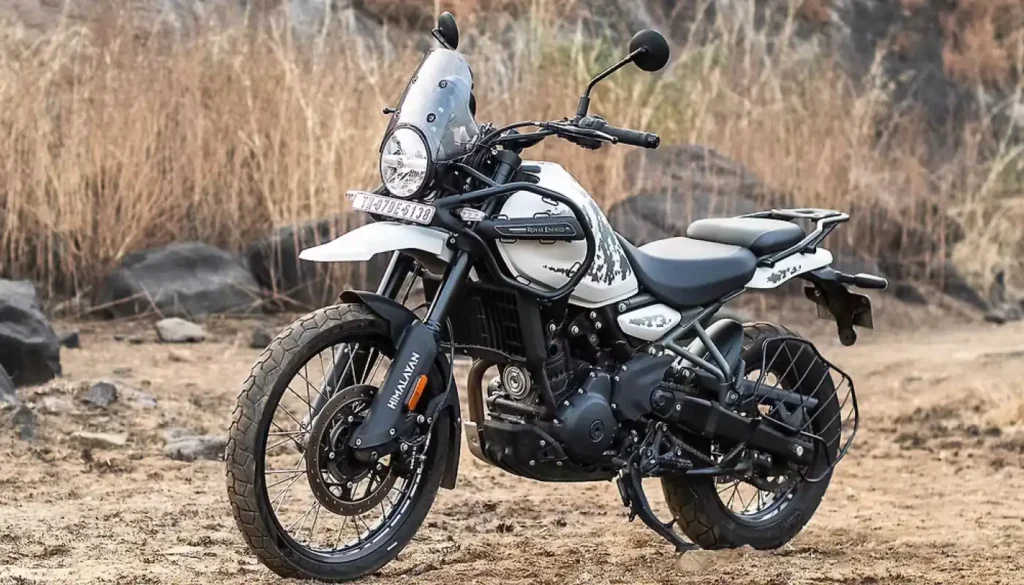
The Himalayan 450
The Sherpa 450 engine has revolutionized this bike. It is no longer the “slow” bike of the past; it’s now a modern, liquid-cooled contender.
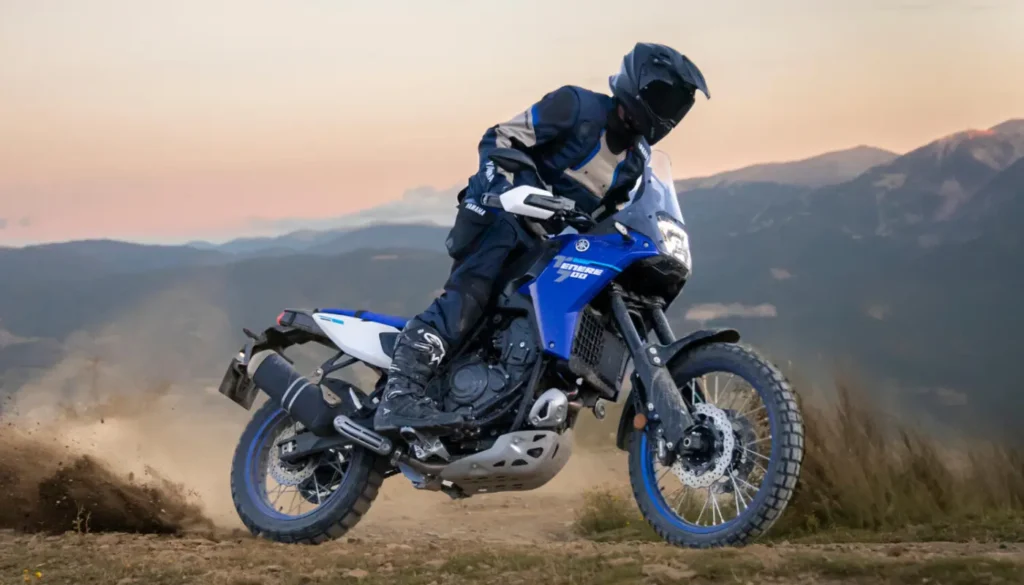
The Yamaha Ténéré 700: The “Final Boss” of Beginner Bikes
Is a 700cc bike too much for a beginner? In 2026, with Yamaha’s latest electronics, the answer is “maybe.”
Ergos and Mods
For the beginner, the “Look and Feel” of the bike is just as important as the engine. In 2026, we see a trend toward Ergonomic Personalization.
Gear Section: Protection for the First 3,000 Miles
1. The Helmet: Nexx X.VILIJORD
As a beginner, you’ll likely be doing a mix of highway and slow-speed practice. A modular “Adventure” helmet like the Nexx allows you to flip the chin bar up when you’re fueling up or asking for directions, while the “Peak” (the sun visor) is essential for blocking glare during sunset rides.
2. The Suit: RST Adventure-X CE
You need gear that can handle “The Slide.” The RST Adventure-X is a fan-favorite in 2026 because it includes a removable thermal/waterproof liner and—crucially—built-in shoulder and elbow armor. It’s rugged enough for the dirt but comfortable enough for a long weekend tour.
3. The Boots: Sidi Adventure 2 GORE-TEX
Your ankles are the most vulnerable part of your body when riding off-road. You need a “Hybrid” boot. The Sidi Adventure 2 provides the rigid lateral support of a motocross boot (protecting you if the bike falls on your leg) but has a flexible sole that allows you to actually walk into a cafe without looking like a robot.
4. Gloves: Klim Dakar
Beginners often buy heavy, waterproof gloves, but these offer zero “feel.” For your first rides, get a pair of high-quality dirt-oriented gloves with palm protection. The better you can feel the throttle and front brake, the faster you will learn.
Learning the “Mental” Game
Adventure riding is 20% mechanical skill and 80% mental management.
Adventure Motorcycles 2026: People Also Ask
What makes a good beginner adventure motorcycle?
A good beginner ADV bike typically has manageable power, moderate seat height, comfortable ergonomics, and predictable handling both on pavement and dirt roads.
Is the Yamaha Ténéré 700 suitable for beginners?
Yes, but it’s better suited for confident beginners due to its taller seat height and stronger engine compared to smaller entry-level adventure bikes.
Which beginner ADV bike is best for long-distance touring?
The Royal Enfield Himalayan 450 offers strong touring comfort and torque, making it well suited for long-distance travel.
Which bike is easiest to handle for new riders?
The Kawasaki Versys-X 300 is generally the easiest to manage thanks to its lighter weight and smooth engine.
Are adventure bikes good for daily commuting?
Yes. Many adventure motorcycles offer upright seating, good visibility in traffic, and comfortable suspension that handles rough roads well.
Final Verdict: The Adventure Begins Now
Each of these motorcycles offers a different entry point into adventure riding.
Versys-X 300: Best for beginners who want a lightweight, economical, and easy-to-handle adventure bike.
Himalayan 450: Ideal for riders seeking a balanced blend of comfort, torque, and genuine adventure capability.
Ténéré 700: Perfect for ambitious beginners who want a motorcycle they can grow into as their off-road skills improve.
Final Verdict: Start with a bike that matches your current skill level — the real adventure begins as your experience grows.