Budget cars under 10 lakh in India for 2026 offer incredible value, prioritizing mileage, safety, and features amid rising fuel costs. Top picks like Maruti Swift, Tata Punch, and Hyundai Exter dominate for city commutes and families.
Are you buying your first car, upgrading from a bike, or looking for a budget-friendly option for your family? Check out our top 5 budget cars under ₹10 lakh for 2026 there’s a perfect fit for you!
5 Best Budget Cars Under 10 Lakh in India
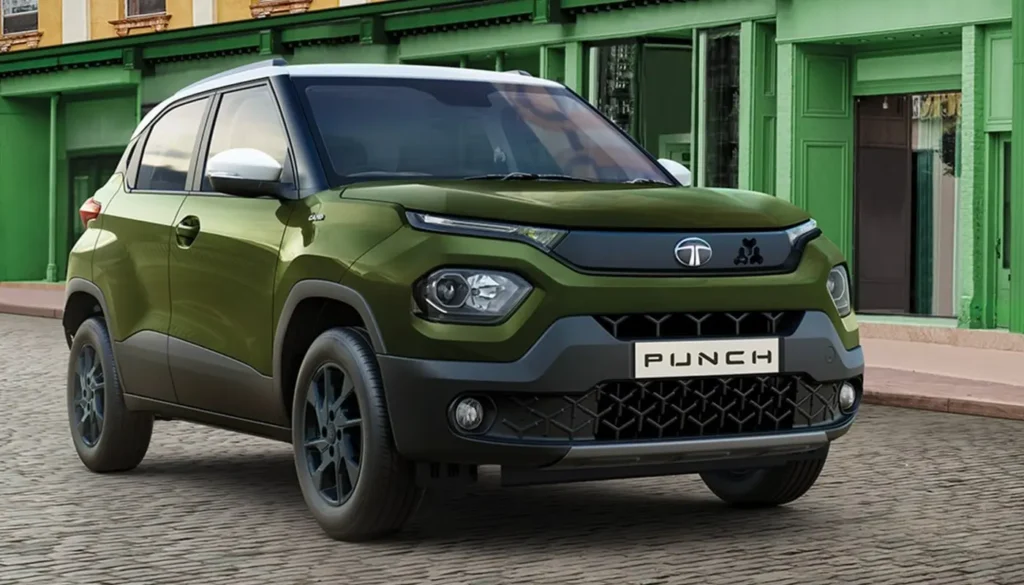
The Tata Punch has always been a clever car. But when Tata refreshed it in January 2026 with a genuinely new 1.2-litre turbocharged petrol engine producing 120 PS and 170 Nm of torque, a redesigned face inspired by the Punch EV, and a five-star Bharat NCAP crash rating, It stopped being merely clever and became the most comprehensively strong car available under ₹10 lakh in India. The turbo engine alone is a transformational upgrade: where the older naturally aspirated 88 PS unit felt strained on expressways and uphill stretches, the new 1.2 iTurbo feels properly punchy from low revs, with a six-speed manual gearbox that is precise and confidence-inspiring.
The facelift also brings a redesigned 10.25-inch digital instrument cluster, a freshened interior with dual-tone blue and grey trim, a 360-degree camera system (a genuine class first), Type-C charging ports throughout, automatic climate control with rear vents, and wireless charging all standard on higher trims still priced under ₹10 lakh. The CNG variant now features India’s first CNG-AMT combination in an SUV, adding paddle shifters for the CNG-automatic configuration, which is genuinely innovative. Punch facelift is the car I’d recommend to almost anyone walking into a dealership with this budget.
Strengths
- 5-Star Bharat NCAP — safest car at this price point
- New 120 PS turbo engine — class-leading performance
- 360-degree camera — genuinely unique in this segment
- India’s first CNG-AMT SUV — convenience and economy combined
- 193 mm ground clearance — handles Indian roads with ease
- 366-litre boot — best cargo space in the micro-SUV segment
Limitations
- Turbo variant only comes with 6-speed manual (no AMT yet)
- Rear seating can feel cramped on long highway stretches
- Some cabin plastics still feel below the price point
- Tata service centre experience is inconsistent across cities
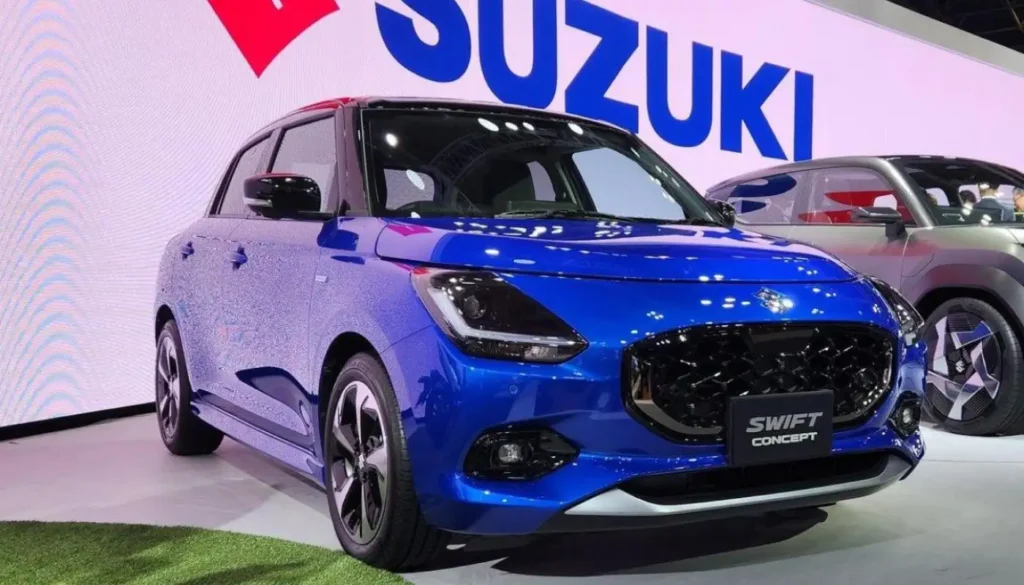
If I had to pick one car that has genuinely earned its place in the heart of the Indian middle class, it would be the Maruti Suzuki Swift. Now in its fourth generation which arrived in mid-2024 and carries through into 2026 with no significant changes the Swift has made its most meaningful generation jump in years. The headline change is the 1.2-litre Z-series three-cylinder engine, which replaces the older four-cylinder K-series unit and delivers ARAI-certified mileage of up to 25.75 kmpl on the AMT petrol variant.
Beyond the fuel economy, the fourth-generation Swift brings a genuinely improved cabin: a 9-inch SmartPlay Pro+ touchscreen angled towards the driver, six airbags across mid and top trims, cruise control, wireless charging, automatic climate control, and a driver-focused dashboard layout that feels well thought-out rather than just spec-sheet ticking. The CNG variant returns an ARAI-certified 32.85 km/kg running costs that are almost insultingly low for daily commuting. Maruti’s service network of over 4,000 touchpoints across India means you are virtually never more than a short drive from a certified service centre.
Strengths
- 25.75 kmpl ARAI — best fuel efficiency in this guide
- CNG variant at 32.85 km/kg — lowest running cost of any car here
- Maruti’s 4,000+ service network — easiest ownership in India
- Best resale value in the hatchback segment, year after year
- Six airbags standard from mid variants — strong safety update
- Driver-angled 9-inch screen — noticeably better ergonomics
Limitations
- No sunroof on any variant — a notable omission vs. rivals
- Three-cylinder engine can feel vibratory at idle
- Only three-star Euro NCAP rating — Tata Punch is safer
- Interior plastics feel cheaper than the Baleno or Hyundai i20
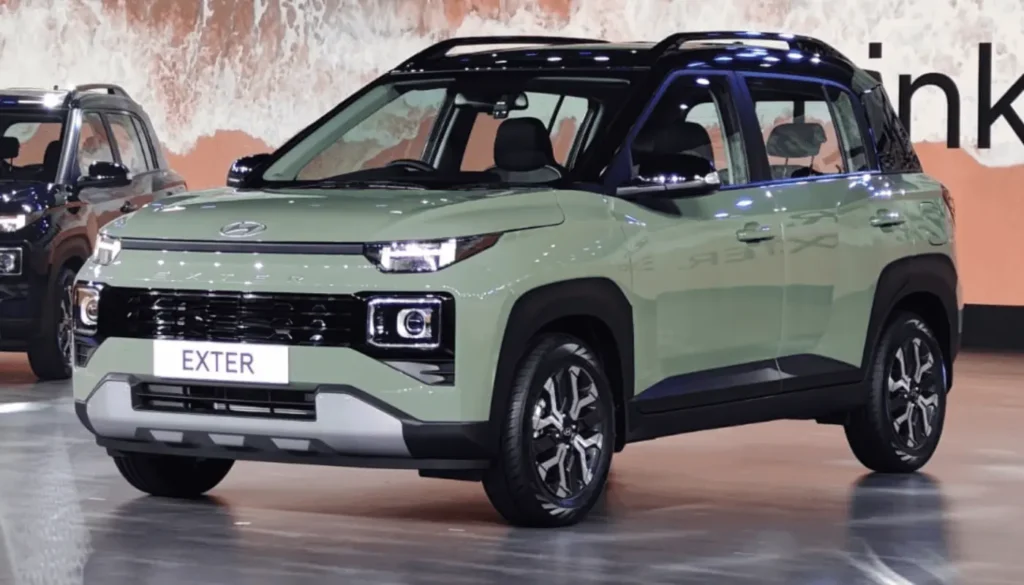
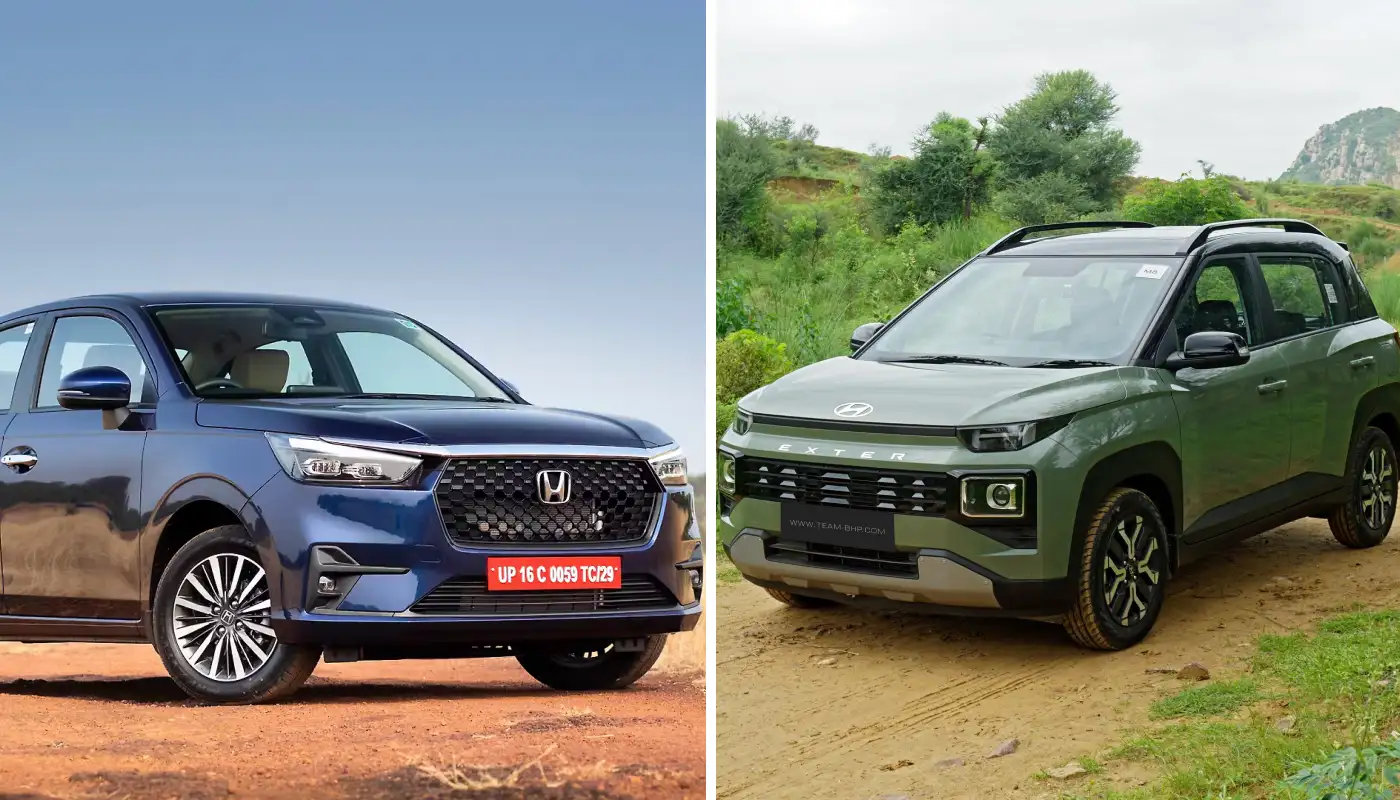
Hyundai launched the Exter facelift in March 2026, and with it reinforced something that the Korean brand has always understood better than most: in India’s value-sensitive segments, feature density often wins the sale, even over outright performance. The 2026 Exter arrives with a bolder front fascia, a redesigned grille, new 15-inch diamond-cut alloy wheels, a sporty wing-type rear spoiler, and a refreshed cabin in a new dual-tone Navy and Grey theme. Over 45 active and passive safety features are now on offer including a built-in dashcam, hill assist control, electronic stability control, and six airbags as standard on mid and top variants.
What makes the Exter genuinely special in this segment is its 1.2-litre Kappa four-cylinder naturally aspirated engine. In a class now dominated by three-cylinder units from rivals which, for all their efficiency credentials, can feel rough and vibey at low speeds the Exter’s four-cylinder delivers meaningfully better refinement. City driving, parking lot manoeuvres, and long idling in slow traffic all feel smoother. The ARAI mileage of 19.2 kmpl is lower than the Swift, but many city owners report comfortable real-world numbers of 15–17 kmpl, which remains acceptable. The dual-cylinder CNG setup is a stand-out: unlike rivals, Hyundai’s design retains usable boot space even with CNG fitted. At ₹5.80 lakh base and ₹9.42 lakh for the top trim, the Exter is priced brilliantly for what it delivers.
Strengths
- 4-cylinder engine — smoothest and most refined in the segment
- Built-in dashcam standard — class-first feature
- Dual-cylinder CNG retains usable boot space — rivals can’t match this
- 45+ safety features — among the best safety packages at the price
- Hyundai after-sales network — strong warranty and service coverage
- Tall-boy SUV stance with 185 mm ground clearance
Limitations
- 19.2 kmpl ARAI — lower than Swift and Baleno in petrol
- No NCAP rating published yet — safety unverified vs. Tata Punch
- Infotainment screen is 8-inch — smaller than Punch’s 10.25-inch unit
- No AMT on CNG variant — city drivers lose automatic convenience
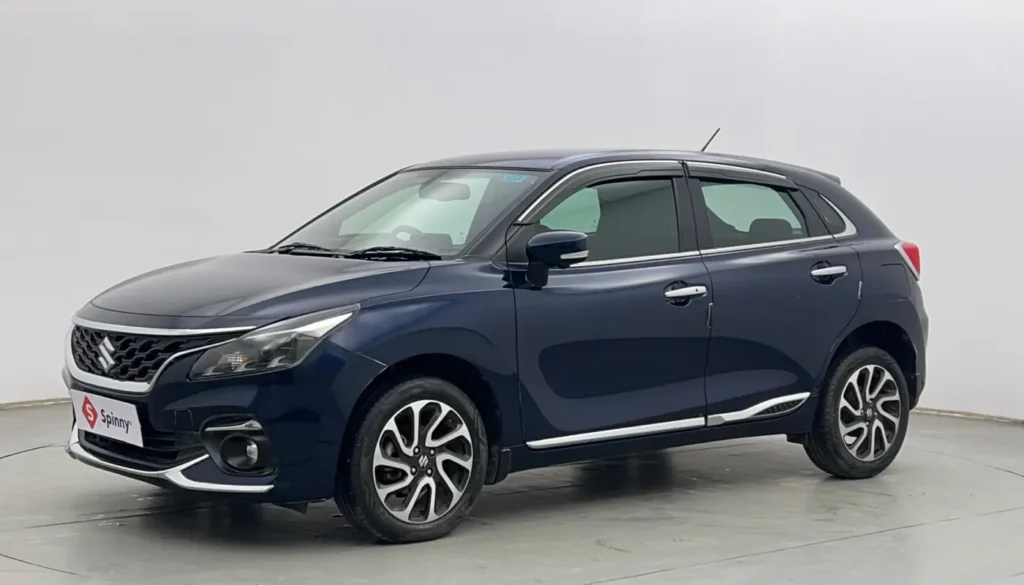
The Baleno’s 1.2-litre K-series four-cylinder petrol engine the older, smoother unit also found in the previous generation Swift produces 90 PS and is available with both a five-speed manual and a five-speed AMT. It lacks the outright fuel economy drama of the new Swift’s Z-series engine, but its 22.35 kmpl ARAI figure is still very competitive for a car this spacious.
The Baleno’s wheelbase of 2,520 mm and overall length of 3,990 mm give rear passengers noticeably more knee room than either the Punch or the Exter making it the clear favourite for families who regularly carry four or five adults. The head-up display (HUD), available on higher variants under ₹9 lakh, is a class standout projecting speed, navigation prompts, and ADAS alerts onto the windscreen. A 9-inch touchscreen with wireless CarPlay, automatic climate control, a sunroof, and six airbags round out a feature list that makes the Baleno feel like a serious car at a budget price. Maruti sells it through Nexa showrooms, and the ownership experience is noticeably better than standard Arena dealerships.
Strengths
- Best interior space in the hatchback segment — genuine adult rear legroom
- Head-Up Display (HUD) — genuinely class-first technology
- Sunroof available — most popular feature in this segment
- Nexa dealership quality — significantly better service experience
- Smooth K-series four-cylinder engine — more refined than three-cylinder rivals
- Maruti resale value and service network reliability
Limitations
- No NCAP safety rating — safety credentials unknown vs. Punch
- Low ground clearance (170 mm) — bad roads and speed bumps are more intrusive
- No CNG option — running cost higher than Swift CNG or Exter CNG
- Boot space (318 litres) is smaller than the Punch or Honda Amaze
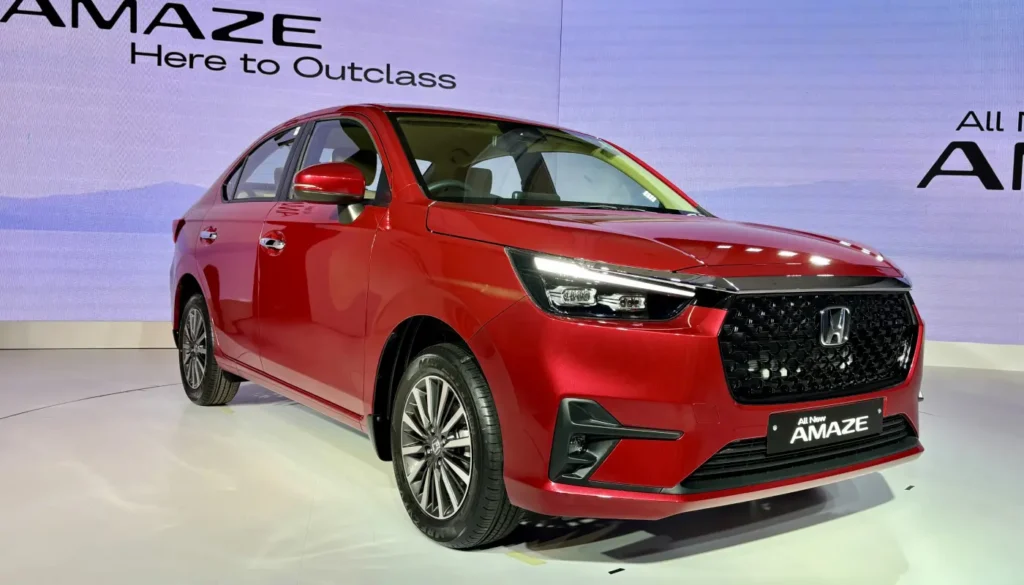
The Amaze’s 1.2-litre i-VTEC engine produces 90 PS smooth, refined, and predictably Honda in its linear delivery. The CVT automatic variant is particularly worth highlighting: in a segment where AMT gearboxes are the affordable norm and their occasional hesitancy is a well-documented frustration, the Amaze CVT offers a genuinely seamless automatic experience for stop-go city driving. ARAI mileage of 18.65 kmpl for the CVT is decent. The cabin gets a mix of soft-touch and smooth plastics that Honda has always done well a 8 inch touchscreen, a 7 inch digital driver display, wireless phone charging, and a Lane Watch camera that displays a live view of the left blind spot when you indicate left.
Honda’s service network is smaller than Maruti’s but consistently rated well by owners for technical quality and honesty.
Strengths
- 416-litre boot — largest of any car in this guide by a significant margin
- CVT automatic — smoothest gearbox experience under ₹10 lakh
- Lane Watch camera — genuinely useful safety aid, class-first
- Honda refinement and interior quality — best NVH levels here
- 6 airbags standard on mid variants — strong passive safety
- Lowest ground clearance issue doesn’t apply — sedan rides lower but flat road suited
Limitations
- ₹8 lakh entry point — ₹2+ lakh more expensive than rivals at base
- No NCAP rating published for 3rd-gen model yet
- Honda’s service network smaller than Maruti — fewer touchpoints in Tier 2 cities
- Petrol-only — no CNG option for lower running costs
Car Accessories & Gear
The smartest thing you can do in the first week of owning a new car is protect and set it up properly. These are the accessories and products that genuinely add value to budget car ownership in India tested recommendations from real ownership experience, not showroom floor upsells.
Dashcam — Front & Rear Full HD
If your new car doesn’t come with a built-in dashcam (the Hyundai Exter is an exception it does), this should be your first accessory buy.
GPS Tracker
Car theft is rising in several markets even as vehicles become more technologically advanced. A hardwired GPS tracker gives you real-time location, geofence alerts, and a recovery tool that bypasses relay attacks on keyless entry systems.
Frequently Asked Questions
Final Thoughts: Which One Should You Buy?
If safety is your single non-negotiable criterion if you have young children in the car, or if you regularly drive on poorly lit inter-city roads the Tata Punch 2026 facelift is the only answer. Its five-star Bharat NCAP rating, combined with a turbocharged engine that actually makes the car enjoyable to drive, makes it the most well-rounded car in this guide from top to bottom.
Whatever you choose, please do two things before signing: take a test drive of at least two options back-to-back, and check the on-road price for your specific city the ex-showroom prices in this guide can vary by ₹80,000 to ₹1,50,000 once registration, insurance, and state specific taxes are added. The smart buyer always looks at total cost of ownership, not just the sticker price.