In 2026, Motorcycle gear has become a marvel of material science. We have membranes that breathe like a second skin and leathers that can survive a 50-mph slide. However, road salt, bug guts, exhaust soot, and sweat are all working in a coordinated effort to destroy those materials.
How To Clean And Waterproof Your Riding Gear Like A Pro.
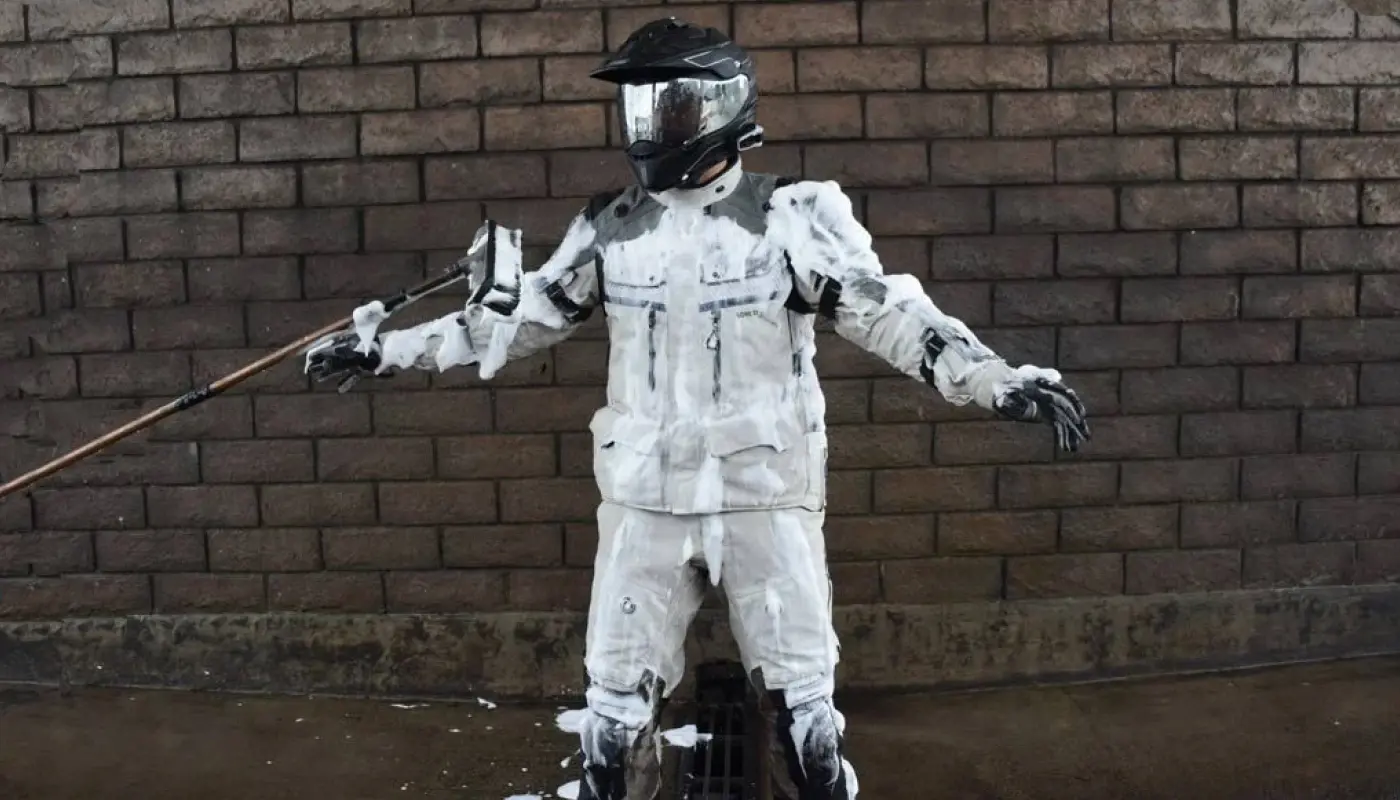
Have you ever noticed that even though your waterproof jacket isn’t “leaking,” it feels heavy, cold, and clammy in the rain? This is called “wetting out.” Most textile gear has a DWR (Durable Water Repellent) coating on the outer layer. This causes water to bead up and roll off. When this coating wears away or gets covered in dirt, the outer fabric absorbs water. Even if the internal membrane (like GORE-TEX) stays waterproof, the jacket becomes heavy, blocks breathability, and pulls heat away from your body.
Pro Tip: If water doesn’t bead up on your jacket when you spray it with a hose, your DWR has failed. It’s time for a “Pro Clean.”
Properly cleaning and reproofing your riding gear restores breathability, maintains waterproof membranes like Gore-Tex, and prevents premature wear. In this practical guide, we’ll break down how to clean textile and leather gear correctly, how to restore waterproofing, and what mistakes to avoid—so your kit performs like new season after season.
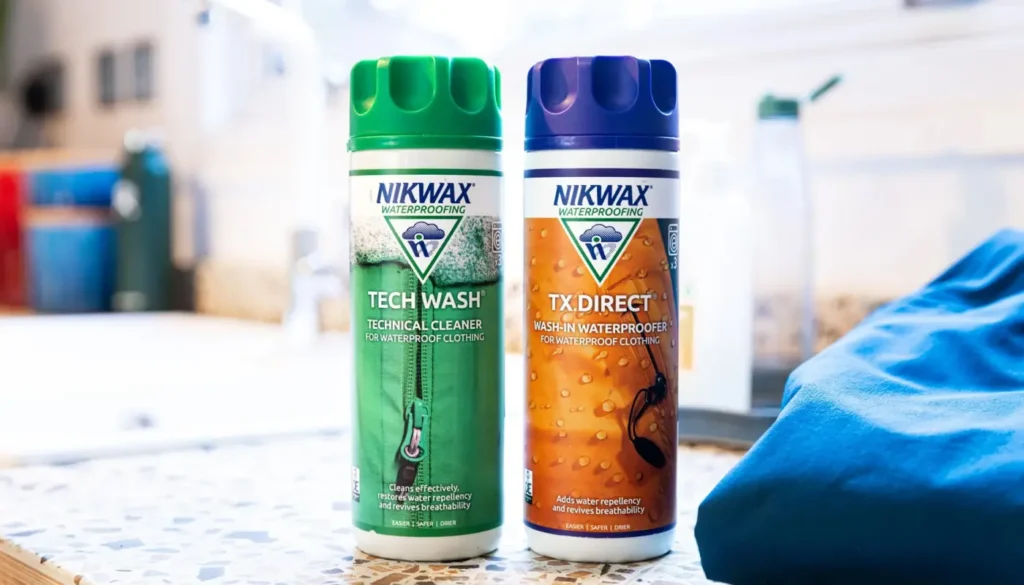
Waterproof Your Riding Gear Like A Pro In 2026
| Product Category | The “Pro Choice” Brand | Best For | Benefit |
|---|---|---|---|
| Technical Wash | Nikwax Tech Wash | GORE-TEX / Cordura | Doesn’t clog pores; maintains DWR. |
| Leather Care | Renapur Leather Balsam | Jackets / Boots / Gloves | Natural waxes; long-lasting shine. |
| Visor Care | Muc-Off Visor Cleaner | Helmet Visors / Goggles | Streak-free; anti-fog properties. |
| DWR Restorer | Grangers Performance Repel | Textile Outer Shells | Environmentally friendly; spray-on. |
| Odor Control | Revivex Odor Eliminatorl | Boots / Helmet Liners | Microbe-based; kills “gear funk.” |
Textile & GORE-TEX Gear: The Delicate Deep Clean
The biggest mistake riders make is using standard household detergents. These detergents contain surfactants and perfumes designed to break down oils—but they also break down the DWR coating and clog the microscopic pores of your waterproof membrane.
The Step-by-Step Ritual
Leather Maintenance: Feeding the Beast
Leather is skin. If you leave it in the sun and rain without care, it will dry, crack, and lose its structural integrity. A cracked leather jacket isn’t just ugly; it’s a safety hazard, as the hide can tear more easily during a slide.
The Cleaning Process

The “Silent” Gear: Helmets and Gloves
Helmets
Your helmet liner is a sponge for sweat, hair products, and skin cells.
Gloves
Gloves are the hardest-working part of your kit.
Choosing Maintenance-Friendly Tech
| Bike Style | Gear Type | Maintenance Difficulty | Pro Tip |
|---|---|---|---|
| Adventure (ADV) | Multi-layer Textile | Medium | Use “Wash-in” waterproofing for liners. |
| Modern Classic | Waxed Cotton / Leather | High | Re-wax your Belstaff once a year. |
| Hyper-Naked | Full Leather / Perforated | Medium | Use a toothpick to clean bug guts from perfs. |
| Daily Commuter | Single-layer Laminate | Low | Hose it off weekly; deep clean monthly. |

2026 Gear Durability
To clean like a pro, you need more than just a bucket of soapy water. Here is the curated 2026 maintenance “Essential Kit.”
1. The Drying Rack: MaxxDry Heavy Duty Gear Dryer
Don’t hang wet leather or heavy textile gear by the fireplace or over a radiator—this ruins the materials. A forced-air gear dryer gently circulates room-temperature air through your boots and gloves, preventing mold and “gear rot.”
2. The Detailing Brush: Muc-Off Soft Washing Brush
Use a soft-bristled brush to get into the seams of your boots and the accordion panels of your jacket. Dirt trapped in seams acts like sandpaper, slowly cutting the stitching from the inside out.
3. The Microfiber Arsenal
Always keep a “clean” and “dirty” stack of microfibers. Using a cloth that has trace amounts of chain lube or wheel cleaner on your $800 GORE-TEX jacket is a recipe for disaster.
Cleaning & Waterproofing Riding Gear: People Also Ask
How often should I wash my motorcycle gear?
Textile gear should typically be washed every few months or after heavy use, while leather requires gentler cleaning and conditioning as needed.
Can I machine wash a motorcycle jacket?
Many textile jackets can be machine washed on a gentle cycle, but always follow manufacturer instructions and remove armor first.
How do I restore waterproofing to my riding gear?
Use a dedicated reproofing spray or wash-in treatment designed for waterproof membranes.
Does washing damage waterproof membranes like Gore-Tex?
No—proper washing actually helps restore breathability and performance by removing dirt buildup.
How can I make my riding gear last longer?
Clean regularly, reapply waterproofing when needed, store properly, and avoid harsh detergents or high heat drying.
Final Verdict
Motorcycle gear is expensive. A full set of high-quality touring gear can easily cost over $2,000 / £1,800. By spending $50 and two hours twice a year on a “Pro-Level” clean and waterproof, you can effectively double the life of that investment. It’s the difference between gear that feels like a soggy cardboard box after 30 minutes of rain and gear that lets you ride through a hurricane in total comfort.