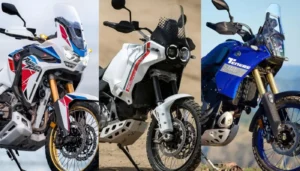
Suspension is often called the “black art” of motorcycling, but in reality, it is a matter of physics and geometry. For the adventure (ADV) rider, understanding these principles is the difference between a bike that glides over washboard gravel and one that kicks like a frightened mule. In 2026, as ADV bikes like the BMW R1300GS, Tiger 1200, and Transalp become more sophisticated, the experience still comes down to how you the rider interface with the springs. Whether you are heading out for a 3,000-mile transcontinental tour with 30kg of luggage or stripping the bike down for a Sunday morning trail blast, your suspension needs to adapt.
Suspension Tuning 101 For ADV: Sag, Compression, & Rebound
Adventure motorcycles are designed to handle everything from city streets to gravel trails and long-distance touring. But no matter how advanced a bike’s suspension system is, it can only perform at its best when properly adjusted for the rider and load. One of the most common mistakes riders make is leaving the suspension in its factory settings — even when adding heavy luggage, a passenger, or aftermarket accessories. The result? Poor handling, unstable braking, excessive tire wear, and fatigue on long rides.
Understanding three key suspension fundamentals — sag, compression, and rebound — transforms how an adventure motorcycle behaves on the road or trail. Correctly setting these parameters allows the suspension to absorb bumps effectively, maintain traction, and keep the bike balanced whether riding solo or carrying 30kg of touring gear.
In this guide, we explain how to measure sag, adjust compression and rebound damping, and set up your adventure bike for two common scenarios: lightweight solo riding and fully loaded touring with luggage.
The Foundation: Understanding Static and Rider Sag
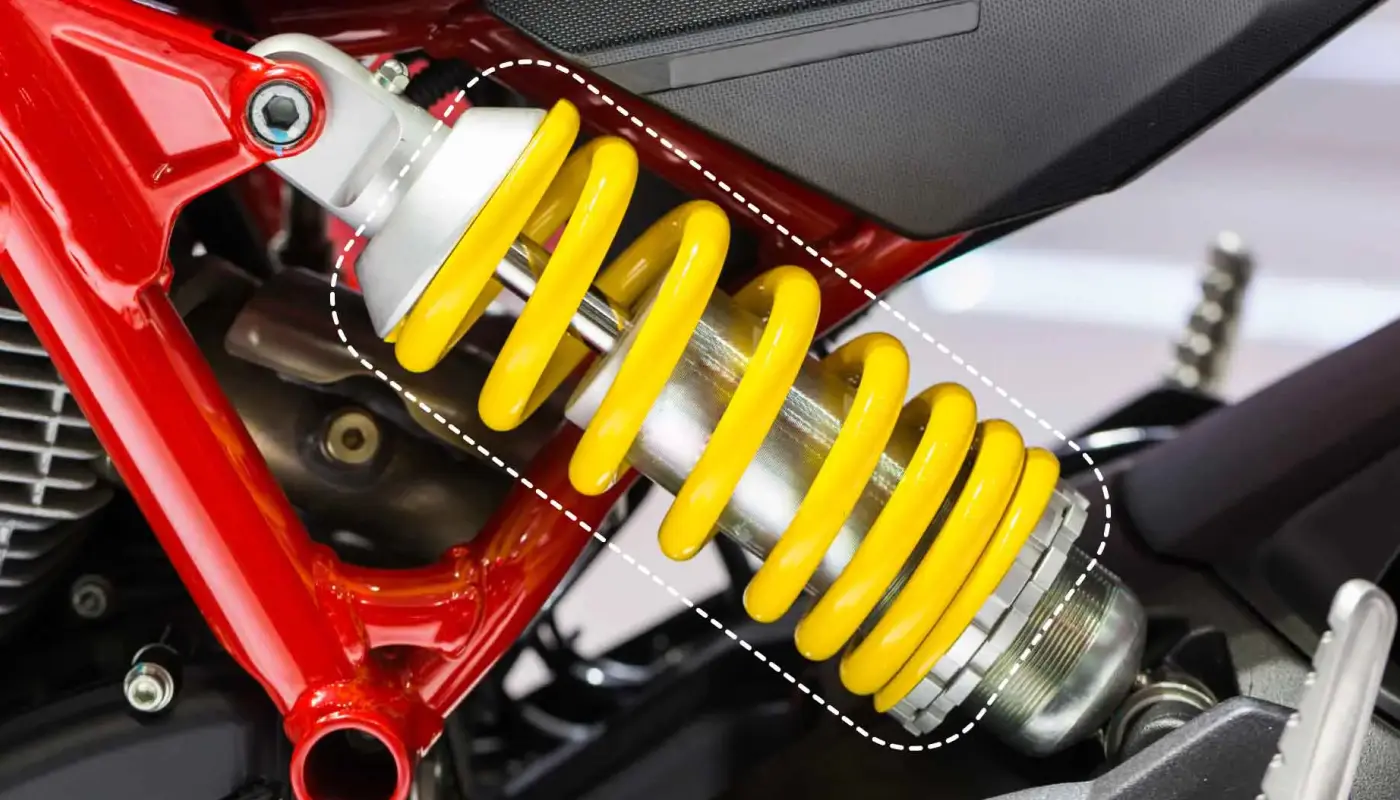
Before you touch a clicker, you must address Sag. Sag is the amount the bike settles on its suspension under its own weight (Static Sag) and under your weight (Rider Sag).
Why Sag Matters
Think of your suspension travel as a finite resource. If your sag is set incorrectly, you are either “topping out” (not enough sag) or “bottoming out” (too much sag). For an ADV bike, you generally want the bike to sit in the top 25% to 30% of its travel when loaded.
The Solo Setup
When riding solo without luggage, your goal is a plush yet controlled ride.
The 30kg Luggage Reality: The “Preload” Correction
When you add 30kg (approx. 66 lbs) of panniers, a top box, and a dry bag, the rear of the bike will squat. This slackens the head angle, making the steering slow and heavy. It also robs you of “upward” travel, meaning every pothole will feel like a metal-on-metal thud.
Damping: The “Clickers” (Compression and Rebound)
If Preload is about where the bike sits, Damping is about how fast it moves.
Compression: Managing the “Hit”
Compression damping controls how fast the suspension collapses when you hit a bump.
Rebound: Managing the “Bounce”
Rebound damping controls how fast the suspension extends after being compressed. This is the most critical setting for safety.
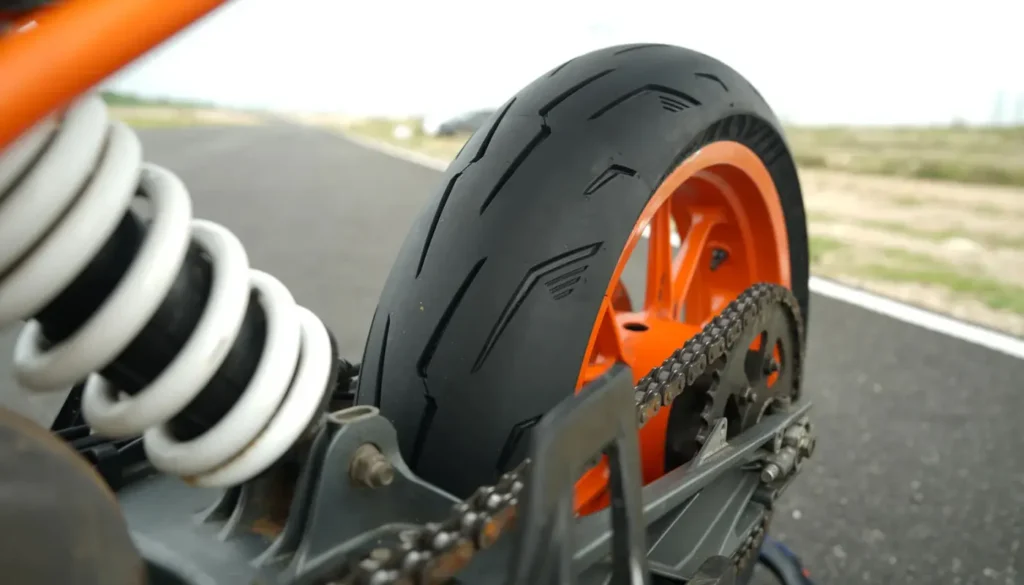
Suspension Tuning Comparison: Solo vs. 30kg Loaded (ADV Bikes)
| Component | Solo / Unloaded Setup | 30kg Luggage / Loaded Setup |
|---|---|---|
| Rear Sag | Set to ~30–35% of total travel for balanced handling | Increase preload to bring sag back to ~30–35% (prevents rear squat) |
| Front Sag | 25–30% of travel for responsive steering | Slight increase in preload if front feels light or vague | Rear Preload | Baseline setting (factory or rider weight only) | Increase preload significantly to compensate for added weight | Front Preload | Neutral or minimal adjustment | Add small preload to maintain front-end stability | Compression (Front) | Softer for better comfort and traction on trails | Slightly stiffer to handle added mass and reduce dive | Compression (Rear) | Moderate for traction and bump absorption | Increase to prevent bottoming out under load | Rebound (Front) | Faster rebound for quick terrain response | Slightly slower rebound to control extra weight return | Rebound (Rear) | Balanced rebound for traction and comfort | Slow down rebound to avoid “bouncing” with luggage weight | Ride Height / Balance | Neutral geometry for agile trail riding | Rear sits higher (due to preload), restoring proper geometry | Handling Feel | Light, nimble, easy to flick on trails | More stable, planted, but slightly less agile |
The Tuning Process: Step-by-Step
-
1. Baseline: Write down your factory settings. Turn every clicker all the way in (clockwise) and count the clicks. Now you have a “Home” to return to.
-
2. The Zip-Tie Trick: Put a zip-tie on one of your fork legs. After a typical ride, see how far down the leg it has moved. If it’s at the bottom, you’re bottoming out; if it’s only halfway down, your suspension is too stiff.
-
3. One Change at a Time: Never change compression and rebound at the same time. Go for a ride, change one, and see if you can feel the difference.
-
4. The “Bounce Test”: Push down hard on the center of the bike. The front and rear should rise at the same speed. If one end “overshoots” or bounces twice, you need more rebound on that end.
Gear Section: Tools and Accessories for Tuning
To get your suspension right on a 3,000-mile tour, you need the right kit in your tank bag.
1. The Motion Pro Sag Scale II
Setting sag solo is nearly impossible with a standard tape measure. The Sag Scale II attaches to the axle and gives you a precise digital or mechanical readout that you can read while sitting on the bike. It takes the guesswork out of the “30kg luggage” calculation.
2. The Wera Kraftform Kompakt Pistol Grip
Many modern bikes have suspension clickers tucked in awkward spots. A high-quality ratcheting screwdriver with a long reach allows you to make adjustments at a gas station without burning your hands on a hot exhaust or struggling with a tiny multi-tool.
3. The Slime Digital Tire Pressure Gauge
Suspension and tire pressure are a team. You cannot tune your suspension if your tires are at the wrong PSI. On an ADV bike, you might drop 10 PSI for a sandy section—remember that this makes the “initial” suspension feel softer. Always check your pressures before clicking your suspension.
Suspension Tuning 101 For ADV: People Also Ask
How much sag should an adventure motorcycle have?
Most ADV bikes perform best with rider sag around 30% of total suspension travel, though manufacturer recommendations should always be followed.
Do I need to change suspension settings when adding luggage?
Yes. Adding 20–30kg significantly affects rear suspension geometry, so increasing preload and sometimes damping adjustments is recommended.
What happens if sag is set incorrectly?
Incorrect sag can cause unstable cornering, poor braking performance, excessive tire wear, and reduced suspension effectiveness.
Should compression and rebound be adjusted together?
Not always. Preload should be set first for correct sag, then compression and rebound fine-tuned based on ride feel and terrain.
How often should suspension settings be checked?
Whenever rider weight, luggage load, terrain type, or tire choice changes — especially before long-distance touring.
Final Verdict — Small Adjustments, Massive Riding Difference
Suspension tuning is often treated as a complicated task reserved for race mechanics, but in reality it’s one of the most powerful adjustments any rider can make in just a few minutes. By correctly setting sag, preload, compression, and rebound, an adventure motorcycle becomes more stable, comfortable, and predictable — especially when switching between solo riding and fully loaded touring.
The difference can be dramatic: better traction, improved cornering confidence, reduced fatigue, and safer handling across thousands of miles.
Final Verdict: A properly tuned suspension is the single most overlooked upgrade on an adventure motorcycle — and it costs nothing but a little time and understanding.