In 2026, the question isn’t how to get to your destination—it’s how to do it without turning your motorcycle cockpit into a stressful control tower. Whether you’re cutting across the Alps or navigating urban sprawl, choosing between a dedicated GPS, a minimalist navigator, or your trusty smartphone is the first step in protecting both your bike and your peace of mind.
Here is the 2026 reality of motorcycle navigation, the trade-offs, and the tech you need to know.
Best Motorcycle GPS of 2026: Garmin vs. Beeline vs. Smartphones.
Garmin, Beeline, and modern smartphones are battling for dominance in one of motorcycling’s most overlooked but critical categories: navigation. In 2026, choosing the best motorcycle GPS is no longer just about getting from point A to point B. Riders now demand sunlight-readable screens, vibration protection, satellite redundancy, offline routing, and seamless GPX adventure planning — especially for long-distance touring and adventure riding across the USA, UK countryside, or the winding passes of Europe.
This guide compares Garmin’s premium touring dominance, Beeline’s minimalist navigation philosophy, and smartphone convenience — examining vibration durability, sunlight usability, satellite technology, and real-world practicality for 2026 riders.
The Smartphone Dilemma: Connectivity vs. Fragility
Let’s address the elephant in the room: Vibration Damage. If you are still mounting your high-end smartphone directly to your handlebars, you are playing a high-stakes game with your camera’s internal stabilizers. Modern smartphone cameras—specifically those with Optical Image Stabilization (OIS) and closed-loop autofocus—use delicate, suspended components that are highly susceptible to the high-frequency vibrations of a motorcycle engine.
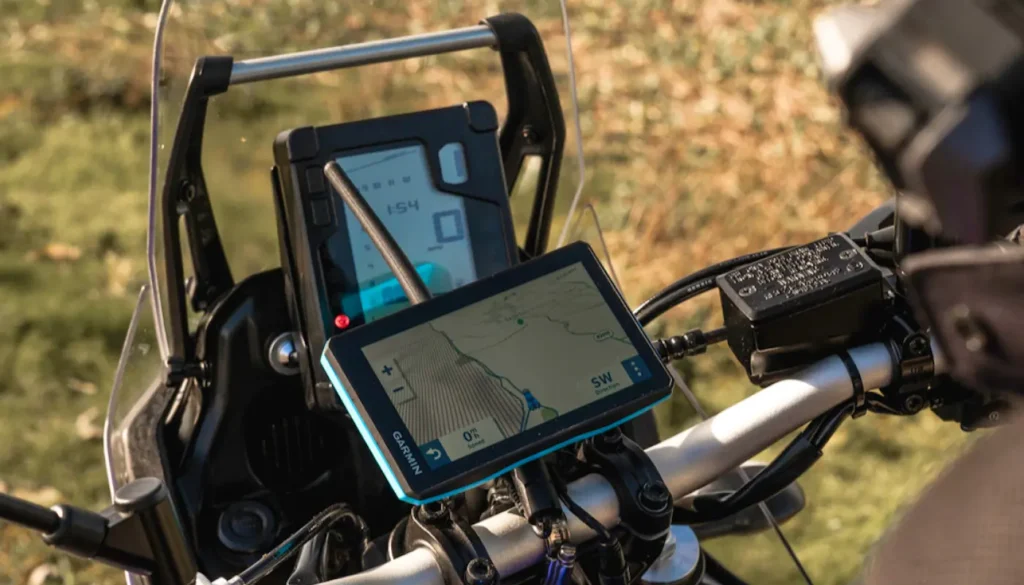
The Specialist: Why Dedicated GPS (Garmin) Still Reigns
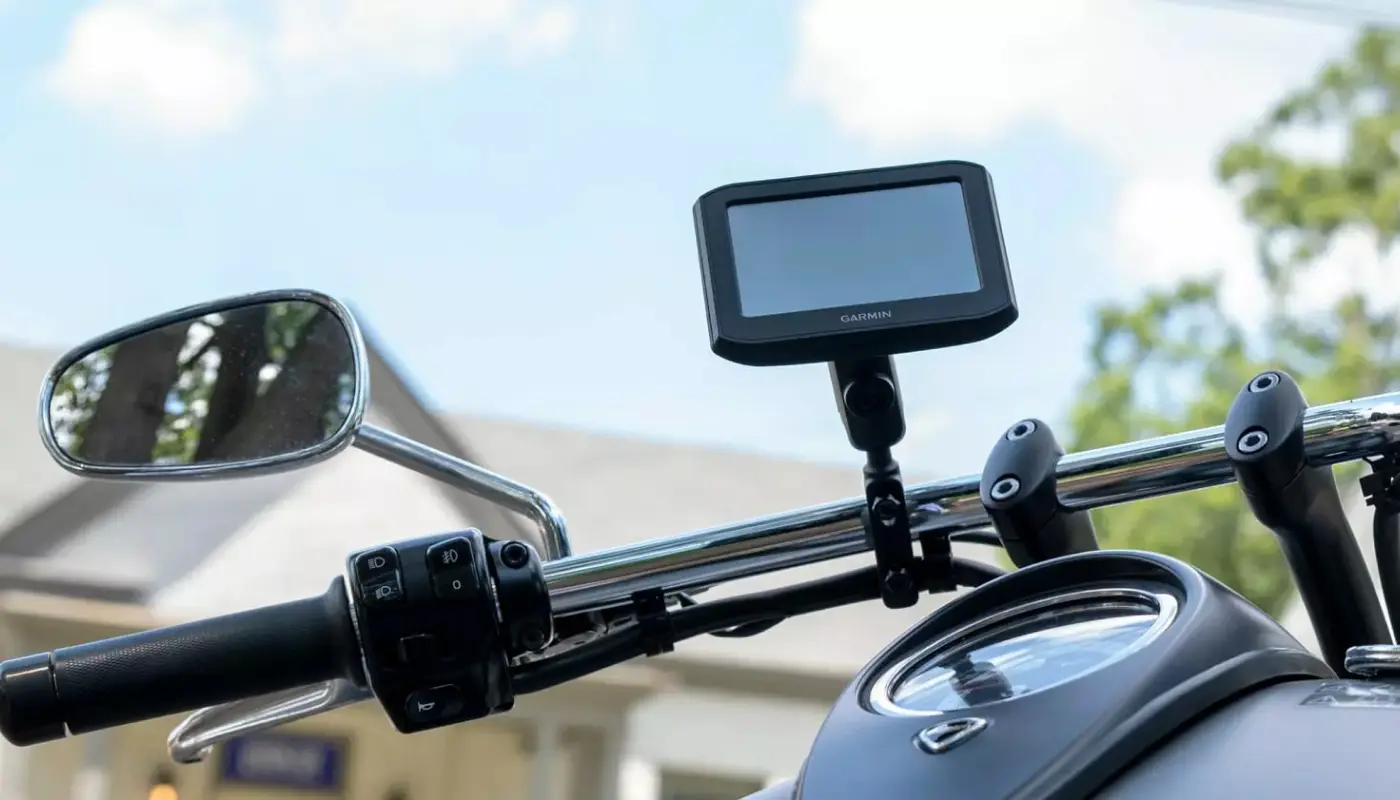
For the long-distance tourer, the dedicated GPS unit (like the Garmin Zumo XT2 or similar flagship models) is still the king of reliability.
The “Glanceable” Revolution (Beeline)
Not everyone wants a massive screen competing for their attention. The Beeline Moto II has changed the philosophy of motorcycle navigation by asking a simple question: Do you really need to see the map, or do you just need to know where to turn?
Comparison: Which Nav Tech Fits Your Ride?
| Feature | Smartphone (Dampened) | Dedicated GPS (Garmin) | Minimalist (Beeline) |
|---|---|---|---|
| Vibration Risk | High (Requires dampener) | None | None |
| Best For | Commuting / City | Transcontinental Touring | Spirited / Scenic Riding |
| Connectivity | Real-time traffic (Cell) | Live via Bluetooth App | Via Smartphone Link |
| Resilience | Needs weatherproofing | Built for the elements | IP67 Waterproof |
How to Choose
Best Motorcycle GPS of 2026: People Also Ask
1. Is a dedicated motorcycle GPS better than a smartphone?
Yes for long-distance touring. Dedicated GPS devices offer better sunlight visibility, waterproofing, glove operation, and vibration resistance compared to most smartphones.
2. Can motorcycle vibrations really damage smartphones?
Yes. High-frequency vibrations can affect optical image stabilisation systems inside modern phone cameras, potentially degrading autofocus or image quality over time.
3. What is the biggest advantage of Garmin motorcycle GPS units?
Advanced offline routing, multi-satellite tracking, weatherproof durability, and large anti-glare screens make them ideal for cross-country or adventure riding.
4. Who should consider Beeline navigation devices?
Urban riders or minimalist tourers who prefer simple directional guidance rather than full map interfaces often appreciate Beeline’s distraction-free design.
5. Are vibration dampers enough to protect smartphones?
They significantly reduce risk, and riders often report positive experiences using dampers during long rides. However, they do not completely eliminate exposure to vibration-related wear over time.
Final Verdict — Which Navigation Solution Wins in 2026?
Dedicated GPS units remain unbeatable for serious touring, ADV riding, and international travel thanks to reliability, offline navigation, and extreme weather durability.
Minimalist navigation devices offer distraction-free riding and surprising practicality for everyday commuting and casual exploration.
Smartphones remain the most flexible and affordable option — but vibration exposure, overheating, and sunlight readability remain real compromises.
For riders planning cross-country adventures or multi-week tours, investing in a dedicated motorcycle GPS still makes the most sense in 2026. But if convenience and simplicity matter most, the competition has never been closer.