You are currently viewing Planning A 3,000-Mile Motorcycle Tour? Without Losing Your Mind.

Planning A 3,000-Mile Motorcycle Tour? Without Losing Your Mind.

  • Post author:
  • Post category:Latest
  • Post comments:0 Comments

Planning a 3,000-mile motorcycle journey sounds romantic — until missed turns, unexpected weather, fatigue, and poor logistics start turning adventure into exhaustion. Long-distance touring isn’t just about choosing destinations; it’s about building a flexible system that keeps you moving safely while still enjoying the ride.

Modern riders now balance powerful digital tools like Garmin GPS units, smartphone navigation through Google Maps, and specialized route-planning platforms such as REVER and Calimoto. At the same time, seasoned tourers still swear by analog backups — paper maps, handwritten notes, and flexible scheduling.

Planning A 3,000-Mile Motorcycle Tour? Without Losing Your Mind.

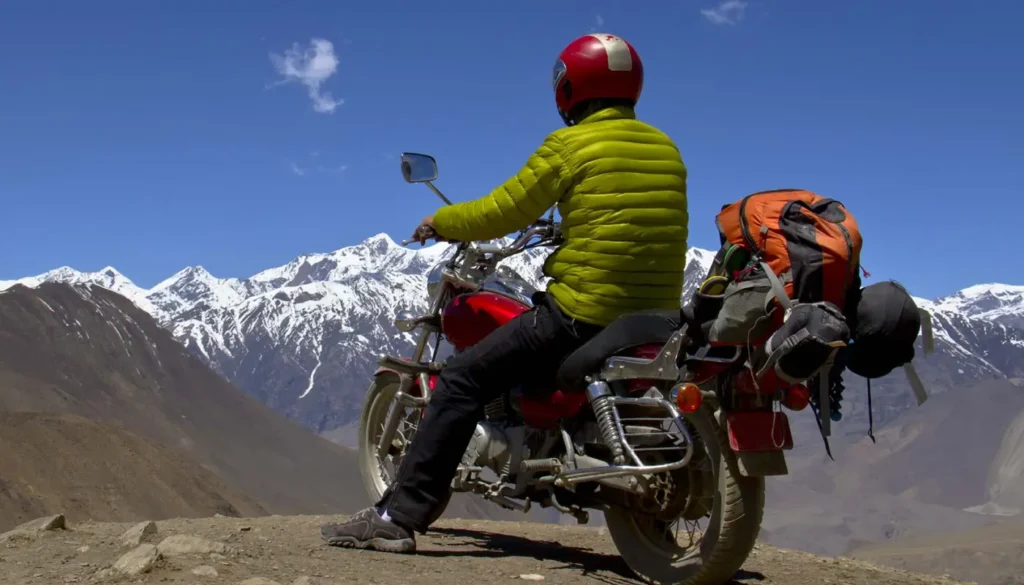
Whether you’re crossing the expansive plains of the American West, winding through the historical passes of the Alps, or navigating the rugged North Coast of Scotland, the formula for success remains the same: Digital precision, Analog intuition, and the luxury of time.

The Digital Foundation: Mastering the GPX File

In the modern touring era, a “GPX” file is your best friend. It is a universal map format that carries waypoints, tracks, and routes across almost any device.

The “Clean Map” Strategy

Don’t just plug “Point A to Point B” into Google Maps. For a 3,000-mile route, you should use dedicated motorcycle apps like Kurviger, Calimoto, or REVER. These apps allow you to export high-fidelity GPX files that prioritize “Twistiness” over “Efficiency.”

  • Pro Tip: Break your 3,000 miles into daily GPX files. Trying to run one massive 3,000-mile file can lag your GPS or phone. Naming them Day01_Start_to_Stop.gpx ensures that if your tech glitches, you only lose one day of data, not the whole trip.
  • Offline Redundancy: Always download offline maps (Maps.me or Google Offline) for the regions you’ll be traversing. Signal dropouts in mountain ranges or remote deserts are a guarantee, not a possibility.
  • The “Buffer Day” Philosophy: Saving Your Sanity

    For every four days of riding, schedule one full Buffer Day.

    The 4:1 Rule

  • What is a Buffer Day? It is a day with zero miles planned.
  • The Utility: If you’re on schedule, it’s a rest day to wash your socks and explore a local town. If you’re behind schedule due to weather or mechanicals, it’s your “get out of jail free” card that prevents you from having to ride 600 miles the next day to catch up.
  • Mental Health: Long-distance riding is mentally taxing. Buffer days allow your brain to reset so you don’t start viewing the scenery as “just more trees.”
  • Motorcycle tour

    Digital vs. Analog: Why You Need Both

    Tool Digital (Phone/GPS) Analog (Paper Maps/Intuition)
    Strengths Turn-by-turn, Real-time traffic, ETA Never runs out of battery, Big-picture context
    Weaknesses Overheats in sun, Needs signal/power Hard to read at 70mph, Doesn’t show closures

    The Gear Section: Long-Haul Comfort for 2026

    For 3,000 miles, your gear needs to be your “mobile home.” It has to protect you, keep you dry, and—most importantly—not irritate you.

    1. The Helmet: Schuberth C5

    If you’re doing big miles, noise is your enemy. The Schuberth C5 is widely considered the quietest modular helmet on the market. In 2026, its integrated mesh intercom system allows you to toggle between music, navigation, and group chat without fumbling with external pucks.

    2. The Connectivity: Chigee AIO-5 Lite

    Instead of risking your $1,200 smartphone to vibration and rain, many 2026 tourers are mounting “Wireless CarPlay/Android Auto” screens like the Chigee. It mirrors your phone’s navigation onto a rugged, glove-friendly screen while your phone stays safe and charging in your pocket or tank bag.

    3. The Seat: AirHawk Dual Sport Cushion

    Even the most expensive touring seats can feel like a plank after 5 hours. An AirHawk uses “Dry Floatation” technology to eliminate pressure points. It’s the single best investment for preventing the dreaded “monkey butt” on a 3,000-mile run.

    Planning A 3,000-Mile Motorcycle Tour? People Also Ask

    1. What is a GPX file and why is it important for touring?

    A GPX file is a digital route file containing waypoints, tracks, and navigation data. It allows riders to preload exact routes into GPS units or apps, ensuring consistency across devices and minimizing navigation errors.

    2. How many miles should you realistically ride per day on a long tour?

    Most experienced riders recommend 250–400 miles per day depending on terrain. Mountain roads or urban areas reduce average speeds significantly compared to highways.

    3. What are “buffer days” in long-distance touring?

    Buffer days are unscheduled or low-mileage days added to your itinerary. They allow recovery from fatigue, mechanical issues, weather delays, or spontaneous exploration.

    4. Is digital navigation better than paper maps?

    Digital navigation offers real-time rerouting and traffic updates, while paper maps provide reliability when batteries fail or signal coverage disappears. Many riders use both.

    5. What is the biggest mistake riders make when planning long tours?

    Overplanning daily mileage without accounting for fatigue, fuel stops, sightseeing, or unexpected delays is the most common mistake.

    Final Verdict

    A successful 3,000-mile motorcycle tour isn’t about riding harder — it’s about planning smarter. GPX routes give structure, buffer days protect your schedule, and combining digital navigation with analog backups creates true reliability. Riders who balance preparation with flexibility experience less stress, safer riding conditions, and far more memorable adventures.

    If there’s one takeaway, it’s this: plan your route carefully — but leave enough space for the unexpected moments that make long-distance touring unforgettable.

    Leave a Reply