Motorcycle touring is as much a psychological journey as it is a physical one. Whether crossing American state lines, carving through UK countryside lanes, or climbing the Alpine passes of Europe, riders eventually face a fundamental choice: go solo or ride in a group. At first glance, group touring seems safer and more social. More riders mean shared navigation and mechanical support. But long-distance riding introduces subtle pressures — unspoken competition, pace escalation, and groupthink — that can quietly increase risk.
Solo vs. Group Touring: The Hidden Psychology of Long Rides.
There is a profound difference between the “freedom” of a solo ride and the “flow” of a group tour. Neither is objectively better, but they scratch very different itches. One is a meditation; the other is a social experiment. Whether you’re planning a weekend jaunt or a three-week expedition, understanding the psychology behind your choice of company—and the safety implications of both—is how you ensure you come home with stories rather than scars.
Solo touring, on the other hand, offers freedom and self-regulated pacing, yet demands greater self-reliance and safety awareness. In 2026, as more riders embrace multi-day adventure travel and cross-border touring, understanding the psychology behind riding styles has become critical. Pace management, fatigue awareness, communication clarity, and decision-making under peer influence can determine whether a trip becomes unforgettable for the right reasons — or the wrong ones.
This guide explores how group dynamics influence risk-taking, how solo riders manage safety differently, and how to choose the touring style that best matches your mindset, experience level, and travel goals.
The Psychology of the Group: Navigating “Group-Think”
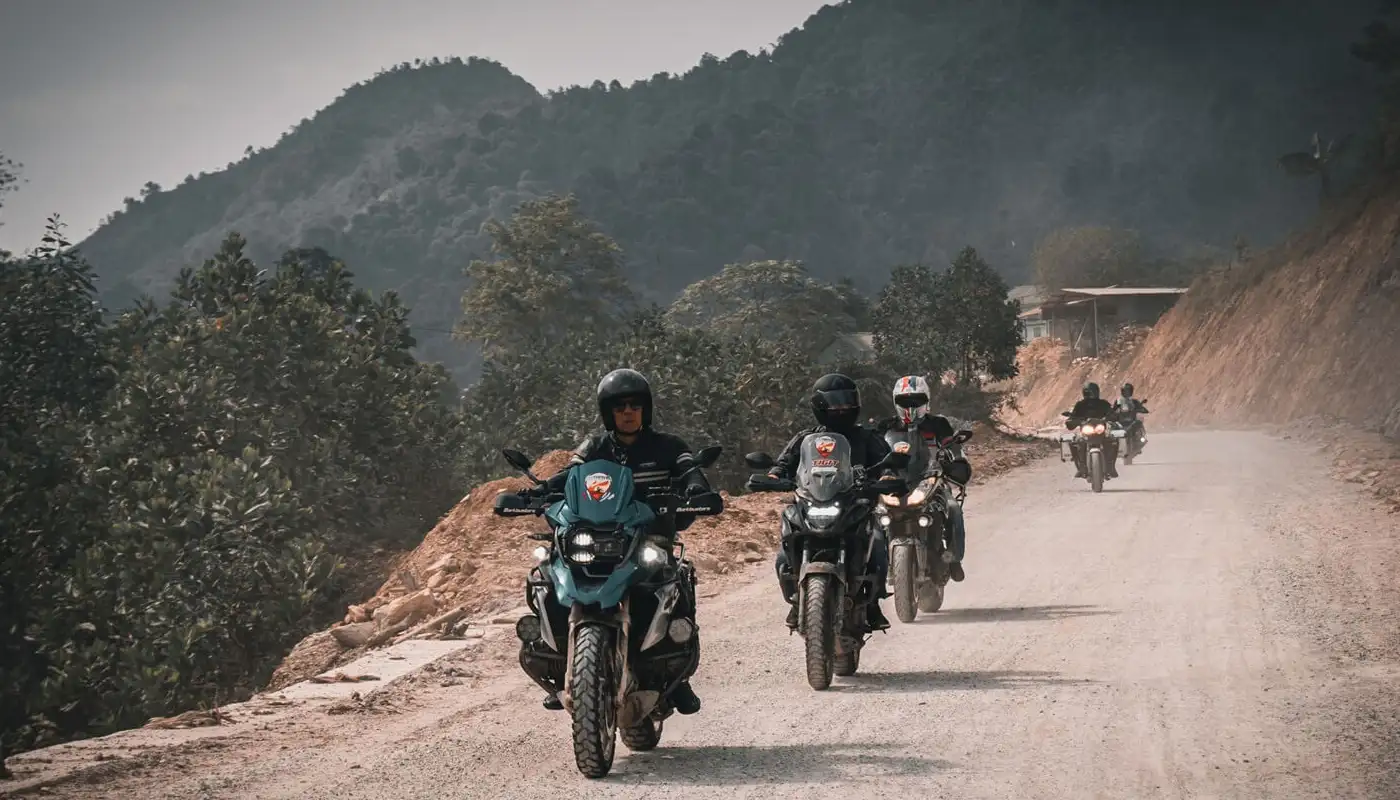
Group riding is a powerful, addictive experience. There is a primal satisfaction in a line of bikes moving in unison—a feeling of belonging to a “pack.” However, groups are prone to Group-Think, where the collective desire for harmony (or speed) overrides individual judgment.
Pace Management: Who Sets the Tempo?
The golden rule of group riding is simple: The group is only as fast as the slowest rider. If you are the fastest rider, your job isn’t to show off; it’s to manage the group’s energy. If you push the pace, you force the less experienced riders into “survival mode,” where their vision narrows, their bodies tense up, and their risk of an accident skyrockets.
The Solo Experience: Radical Self-Reliance
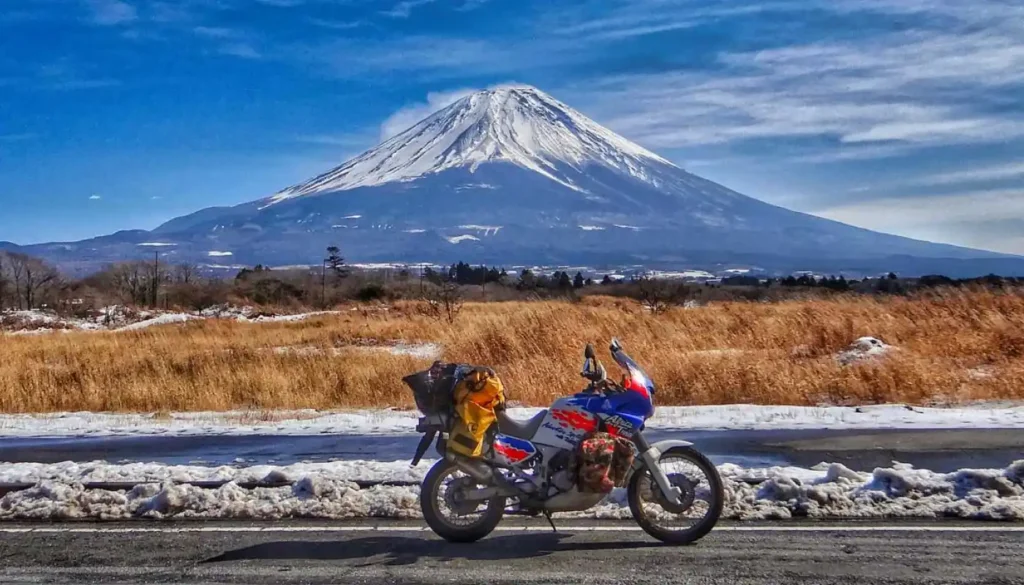
Solo touring is not just riding alone; it is an exercise in total accountability. When you ride solo, the decision-making process is compressed. You don’t have to debate where to eat or when to stop—you just do it.
Comparison: The “Vibe” vs. The Reality
| Aspect | Solo Touring | Group Touring |
|---|---|---|
| Decision Making | Total freedom | Compromise/Democracy |
| Pace | Fluid, personal | Fixed to the slowest member |
| Social | High interaction with locals | High interaction with riders |
| Risk | You are the only safety net | Multi-rider safety buffer |
| Maintenance | All on you | Shared expertise/tools |
Pro-Tips for Both Worlds
If You Ride in Groups:
If You Ride Solo:
Solo vs. Group Touring: People Also Ask
1. Is solo motorcycle touring more dangerous than group riding?
Not necessarily. Solo riders often manage pace more conservatively, but lack immediate assistance in emergencies. Group riders benefit from numbers, yet may face increased pace pressure or distraction.
2. What is “groupthink” in motorcycle touring?
Groupthink occurs when riders subconsciously conform to the pace or decisions of the group, sometimes overriding personal comfort or safety limits.
3. How should pace be managed in a group ride?
Establish a clear lead rider, pre-ride briefing, and agreed stopping intervals. The slowest rider should set the comfortable pace to maintain safety.
4. What are key safety tips for solo riders?
Share your route with someone, carry emergency communication tools, maintain conservative daily mileage, and prioritize rest and hydration.
5. Which touring style is better for long-distance mental endurance?
It depends on personality. Social riders often thrive in structured group rides, while introspective or experienced tourers may find solo travel mentally refreshing and less pressured.
Final Verdict — Which Touring Style Wins?
There is no universal “right” choice between solo and group touring — only the right choice for your personality, skill level, and objectives.
Choose group touring if you value shared experiences, mechanical backup, and structured routes — but remain aware of pace pressure and group dynamics.
Choose solo touring if freedom, flexible pacing, and personal reflection matter more — while investing in safety planning and emergency preparedness.
Ride your ride — whether alone or together — but never let psychology override judgment.