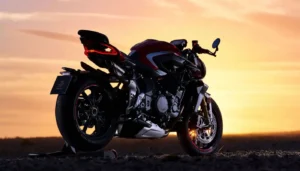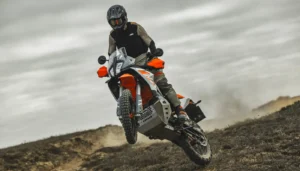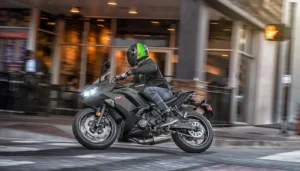
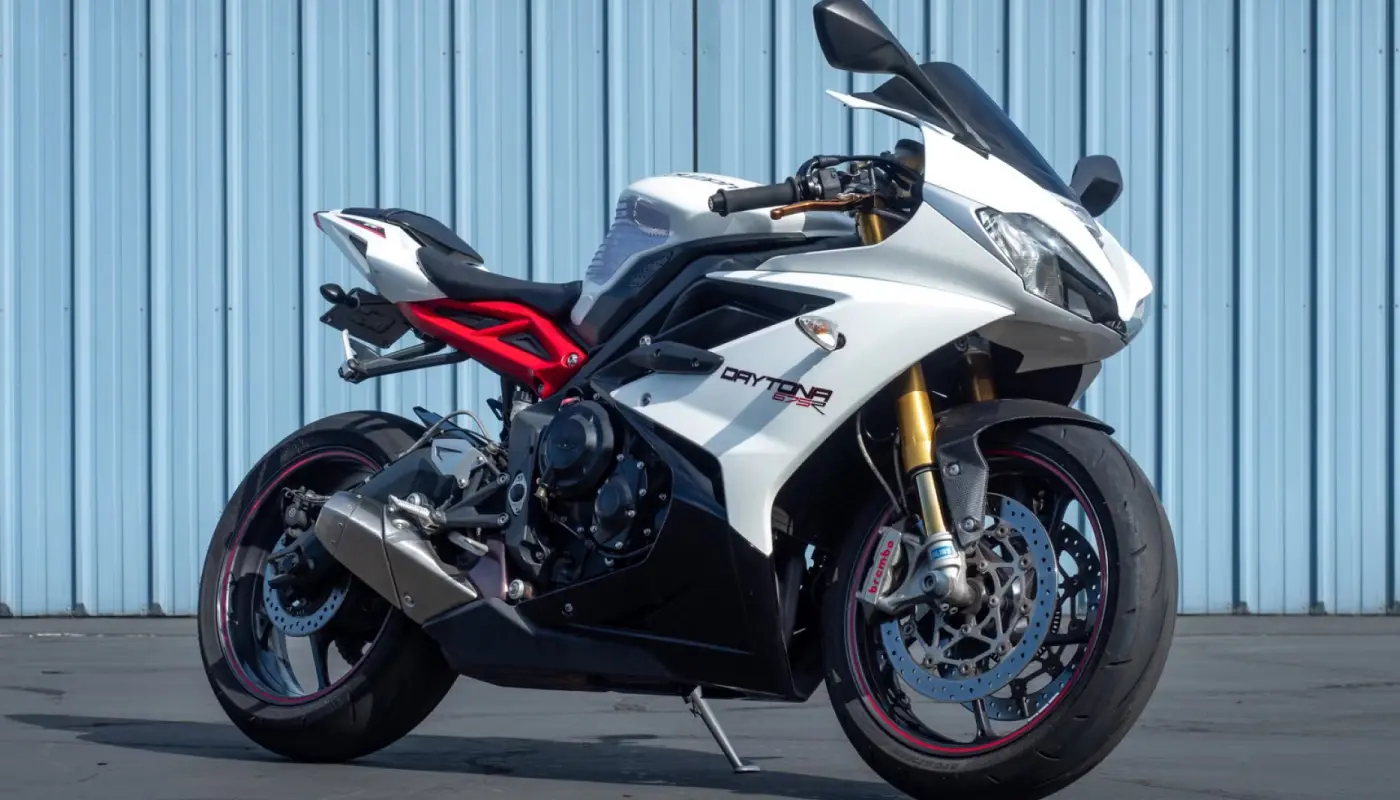
Motorcycling is experiencing a shift—and it’s happening right in the middle. In 2026, 600–700cc motorcycles are dominating sales charts, showroom floors, and rider conversations, marking what many are calling a true middleweight renaissance. Once overshadowed by litre-class machines and entry-level bikes, middleweights have become the go-to choice for riders seeking real-world performance without excess.
Middleweight Renaissance: Why 600–700cc Bike Rules 2026.
Modern middleweight bikes deliver more usable power, lighter weight, and better fuel efficiency than ever before. Thanks to advances in engine technology, electronics, and chassis design, today’s 600–700cc motorcycles offer performance that rivals older superbikes—while remaining affordable, approachable, and practical for daily riding.
From naked bikes and sport machines to adventure and touring models, the middleweight segment now covers every riding style imaginable. In this article, we explore why 600–700cc bikes are dominating 2026, what’s driving their popularity, and why they might be the smartest motorcycle choice for today’s riders.
The Anatomy of a Renaissance: Why 2026 Belongs to the 700s
The resurgence of the middleweight class is rooted in three key pillars: Engine Character, Technological Democratization, and Real-World Usability.
1. The Triumph of the Parallel-Twin
If 2026 had a specific mechanical sound, it would be the rhythmic “thrum” of a 270-degree parallel-twin. Manufacturers have almost universally adopted this layout (seen in the Yamaha CP2, Honda’s 755cc unit, and Suzuki’s new 800 series).
2. Electronics Without the Ego
In the past, advanced rider aids like 6-axis IMUs, cornering ABS, and lean-sensitive traction control were reserved for bikes costing north of $20,000. In 2026, these features have “trickled down.” Modern middleweights now offer the same safety net as their larger siblings, but without the intimidating physical bulk. You can now get a bike that weighs under 440 lbs (200 kg) but features the same sophisticated braking logic as a flagship superbike.
3. The “Usable Power” Realization
Let’s be honest: on a public road in any major metropolitan region, you can rarely use more than 80 horsepower effectively. The 600–700cc class hits the “Goldilocks” zone. They have enough power to maintain high-speed highway cruising with ease, but not so much that you’re constantly fighting the electronics or your own survival instincts just to keep the front wheel down.
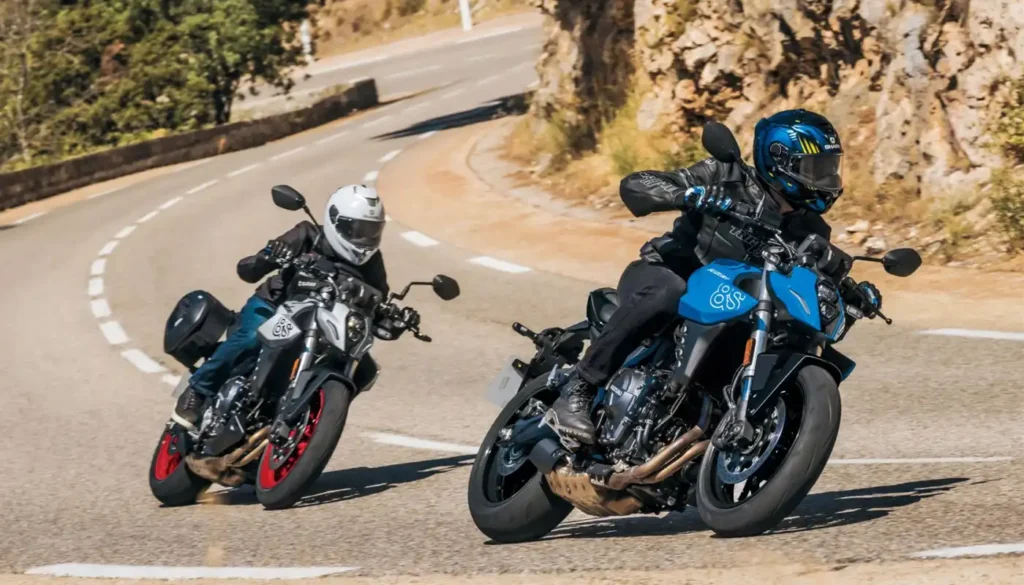
2026 Middleweight Comparison: The Power Players
| Model | Engine Type | Horsepower | Weight (Wet) | Primary Mission |
|---|---|---|---|---|
| Yamaha MT-07 (2026) | 689cc CP2 Twin | 74 HP | 406 lbs (184 kg) | Urban Agility / Fun |
| Honda CB750 Hornet | 755cc Unicam Twin | 91 HP | 419 lbs (190 kg) | Sporty All-Rounder |
| Triumph Trident 660 | 660cc Inline-Triple | 80 HP | 417 lbs (189 kg) | Premium Style / Character |
| Kawasaki Ninja 650 | 649cc Parallel-Twin | 67 HP | 425 lbs (193 kg) | Everyday Sport |
| Suzuki GSX-8S | 776cc Parallel-Twin | 82 HP | 445 lbs (202 kg) | Torquey Street Fighter |
The Gear Section: Equipping the Middleweight Rider
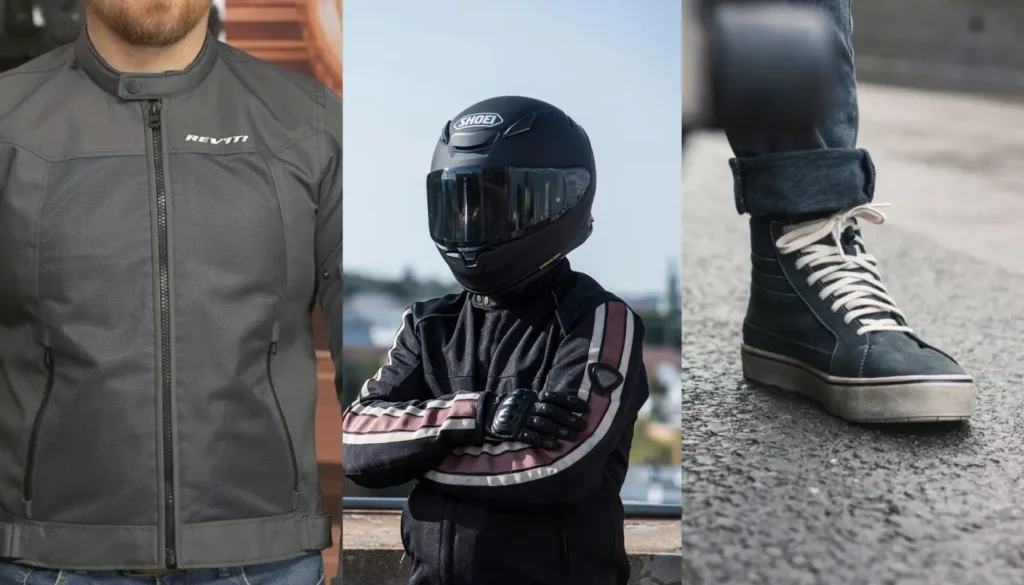
1. The Versatile Lid: Shoei NXR2 / RF-1400
Middleweight riders tend to spend a lot of time in “naked” or semi-faired airflow. You need a helmet that is aerodynamically neutral. The Shoei NXR2 (known as the RF-1400 in some markets) is the gold standard for this. It is incredibly quiet, which reduces fatigue on those longer highway stretches, and it has a compact shell that doesn’t feel like a bobblehead at high speeds.
2. The “Hybrid” Jacket: Rev’It Eclipse 2 Mesh
For the rider who moves between city centers and open roads, the Rev’It Eclipse 2 offers the perfect balance. It features high-tenacity mesh for those sweltering summer days but includes armor pockets that don’t make you look like a “Power Ranger” when you walk into a coffee shop.
3. Technical Footwear: TCX Street 3 Waterproof
One of the best trends of 2026 is the rise of “stealth” gear. The TCX Street 3 looks like a standard high-top sneaker but contains D3O ankle inserts, a reinforced shank, and a waterproof membrane. It allows you to park your 650cc roadster and walk around a city comfortably without the “clack-clack” of traditional racing boots.
The Economics of the Renaissance
We cannot talk about the dominance of this class without mentioning the wallet. In a global economy where insurance premiums and fuel costs are rising, the middleweight class offers a “logical” escape.
Maintenance: Keeping the Dream Alive
The beauty of the 600-700cc class is its inherent simplicity. Most of these bikes use accessible layouts that make home maintenance a viable option.
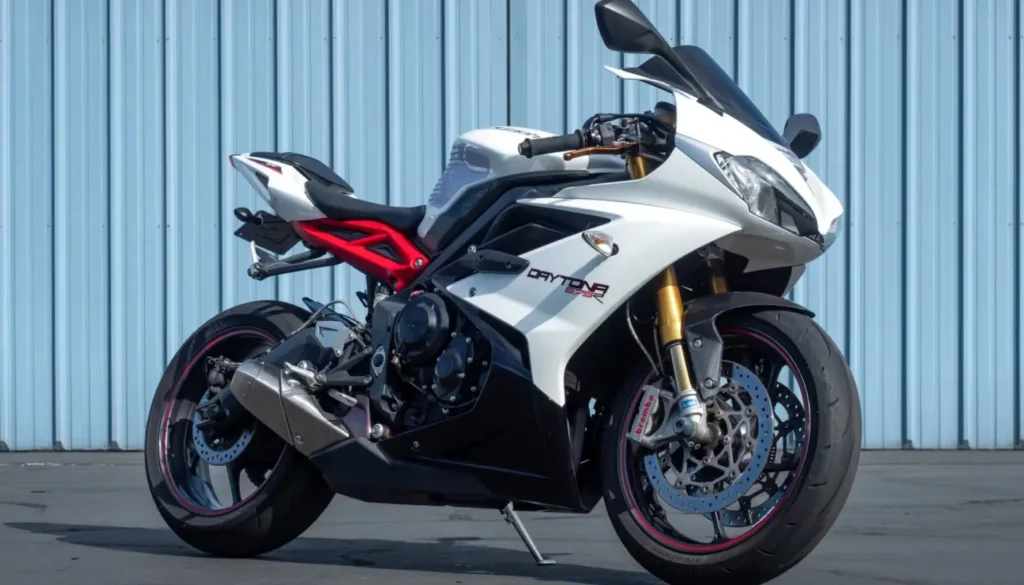
Middleweight Motorcycles (600–700cc): People Also Ask
Q: Why are 600–700cc motorcycles so popular in 2026?
They offer the best balance of power, weight, price, and usability, making them ideal for real-world riding.
Q: Are middleweight bikes powerful enough for highway and touring use?
Yes. Modern 600–700cc bikes easily handle highway speeds, long-distance touring, and even two-up riding.
Q: Are 600–700cc motorcycles suitable for new riders?
Many are beginner-friendly, especially with riding modes and traction control, but they’re best suited for riders with some experience.
Q: Do middleweight bikes cost less to own than litre-class motorcycles?
Generally, yes. They offer better fuel economy, lower insurance costs, and reduced maintenance expenses.
Q: What types of motorcycles are available in the 600–700cc range?
Almost every category—naked, sport, adventure, touring, and scrambler—now has strong middleweight options.
Final Verdict: The End of the “Bigger is Better” Era?
The Middleweight Renaissance of 2026 proves that the motorcycling community has matured. We have collectively realized that having “enough” power in a chassis that we can actually control is far more rewarding than having “infinite” power in a machine that scares us.
Whether it’s the character-filled Triumph triple or the bulletproof Honda twin, the 600–700cc class represents the purest form of motorcycling: a light, flickable, and affordable machine that puts the focus back on the rider, rather than the spec sheet.