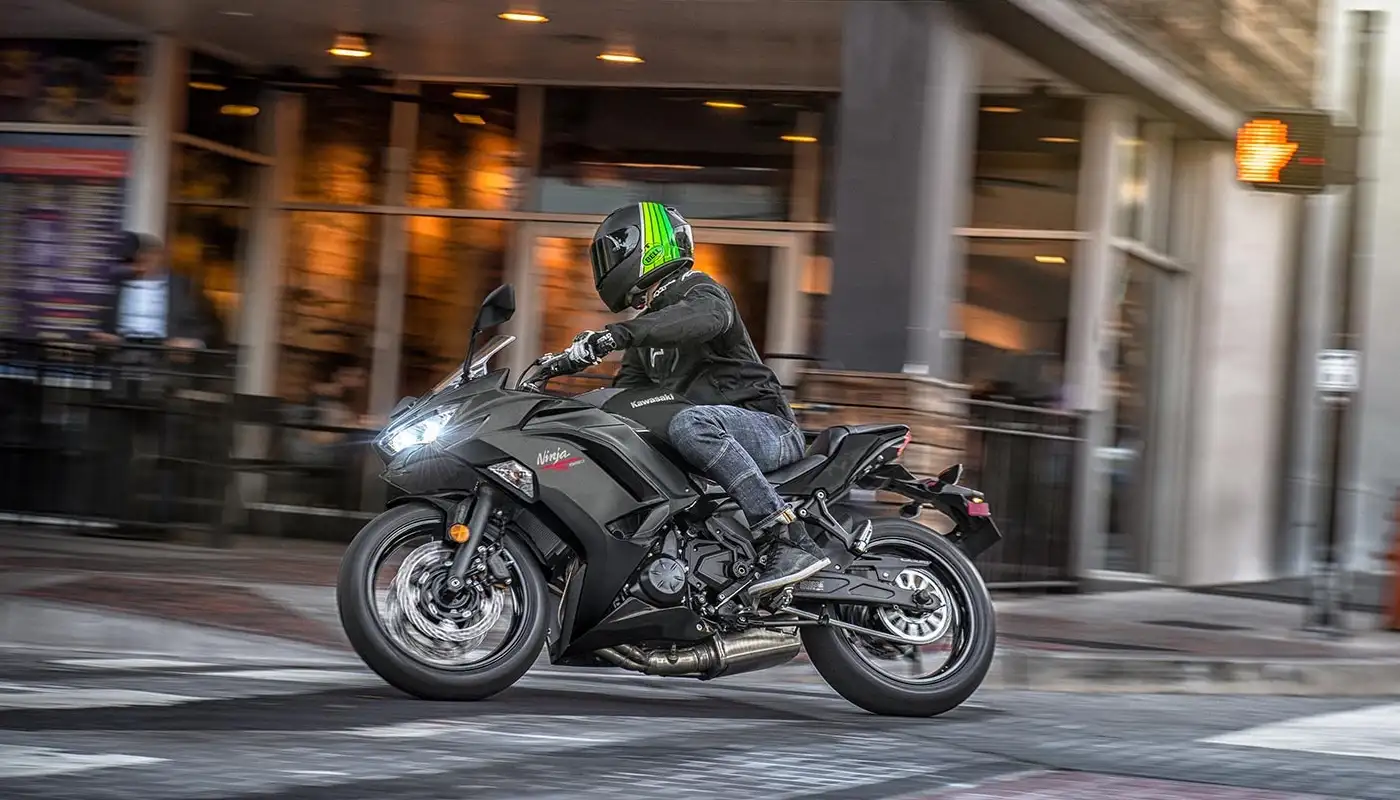
In the high-stakes world of middleweight motorcycles, few names carry as much weight as “Ninja.” But while its siblings like the ZX-6R focus on track-day aggression, the 2026 Kawasaki Ninja 650 remains the champion of the “real world.”
In 2026, the Ninja 650 isn’t trying to be a race bike with lights; it is a refined, torque-heavy, and remarkably comfortable sport-tourer that happens to look like it belongs on a WorldSBK grid. It’s the bike for the rider who wants the “Ninja” aesthetic without the “back-breaking” ergonomics—a true experience for the everyday enthusiast.
Kawasaki Ninja 650: The Perfect Middleweight Sports Bike Thrill
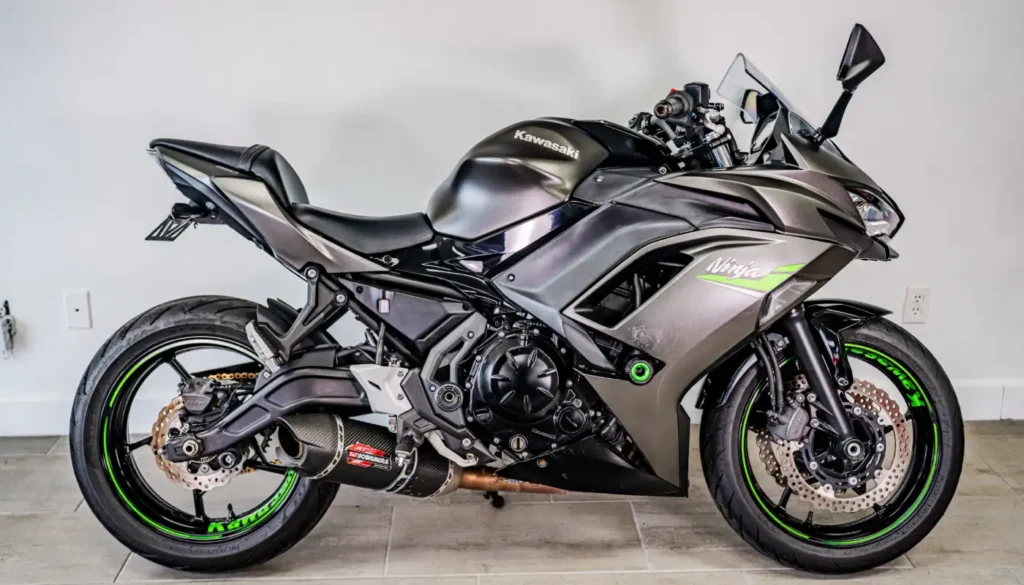
The Kawasaki Ninja 650 continues to dominate the middleweight sportbike category with its perfect blend of performance, comfort, and everyday usability. Designed for riders who want supersport-inspired styling without sacrificing practicality, the Ninja 650 delivers smooth parallel-twin power, agile handling, and rider-friendly ergonomics.
Whether you’re commuting through city streets, carving twisty backroads, or upgrading from an entry-level motorcycle, the Ninja 650 stands out as one of the most versatile sportbikes in its class. With its aggressive Ninja DNA, modern TFT display, traction control, and lightweight trellis frame, this bike appeals to riders across the USA, UK, and European markets — especially those looking for an A2-compliant option.
In this article, we’ll break down its performance specs, pricing insights, frequently asked questions, and give you our honest final verdict on whether the Kawasaki Ninja 650 deserves a place in your garage.
The 2026 Evolution: If It Isn’t Broken, Make It Sharper
The 2026 model year for the Ninja 650 follows Kawasaki’s philosophy of mechanical perfection through iteration. While the heart of the machine—the 649cc parallel-twin—remains the bulletproof engine riders have trusted for nearly two decades, the 2026 version introduces subtle but vital refinements.
The Torque-Rich Twin
The engine produces a steady 67.3 hp (50.2 kW) and 64 Nm of torque. What makes this engine special in 2026 is its “tractability.”
Chassis and Weight
The Ninja 650 utilizes a high-tensile steel trellis frame that keeps the wet weight at a manageable 196 kg (432 lbs). The weight is carried low, which, combined with the accessible 790mm (31.1-inch) seat height, makes it one of the most confidence-inspiring bikes for shorter riders or those transitioning from the 300cc-400cc class.
2026 Middleweight Comparison: The Ninja vs. The Field
| Feature | Kawasaki Z650 | Yamaha MT-07 | Honda CB750 Hornet | Triumph Trident 660 | Suzuki GSX-8S |
|---|---|---|---|---|---|
| Engine Type | 649cc Parallel-Twin | 689cc Parallel-Twin | 755cc Parallel-Twin | 660cc Triple | 776cc Parallel-Twin |
| Max Power | 67.3 HP | 74 HP | 90.5 HP | 81 HP | 82 HP |
| Wet Weight | 196 kg | 184 kg | 190 kg | 189 kg | 202 kg |
| Ergonomics | Relaxed Sport | Upright Naked | Aggressive Naked | Neutral Roadster | Modern Street |
| Wind Protection | Excellent (Full Fairing) | None | None | None | None |
| Electronics | KTRC, TFT, Bluetooth | Basic TFT, ABS | Modes, TC, WC | Modes, TC, Cruise | QS, Modes, TC |
Electronics: Modern Tech Meets Rider Safety
Kawasaki hasn’t skimped on the digital experience for 2026. The cockpit is dominated by a 4.3-inch color TFT display that feels premium and is remarkably easy to read even in direct sunlight.
The Gear Section: Optimizing for the Ninja 650 Experience
Because the Ninja 650 sits between a sportbike and a tourer, your gear should reflect that “sport-touring” hybrid lifestyle.
1. The Helmet: HJC RPHA 71
The Ninja 650 is quiet, but wind noise is always a factor on faired bikes. The HJC RPHA 71 is a premium sport-touring helmet that offers incredible soundproofing and an integrated sun shield. It’s designed for riders who spend four hours in the saddle at a time.
2. The Jacket: Alpinestars Andes v3 Drystar
If you’re using the Ninja 650 as it was intended—for all-weather commuting and weekend trips—you need a jacket that breathes. The Andes v3 offers 100% waterproofing while maintaining a slim, “sporty” profile that doesn’t flap in the wind at highway speeds.
3. The Boots: TCX Clima 2 Surround GORE-TEX
These are the ultimate “sensible” sport boots. They offer the ankle protection of a racing boot but use GORE-TEX technology to ensure your feet stay dry in a downpour and cool in the summer heat. They are comfortable enough to walk in once you reach your destination.
Maintenance Insights for 2026
Kawasaki Ninja 650: People Also Ask
1. Is the Kawasaki Ninja 650 good for beginners?
Yes. While it offers strong performance, its smooth power delivery, manageable seat height, and forgiving throttle response make it beginner-friendly — especially for riders moving up from smaller bikes.
2. Is the Ninja 650 A2 license compliant?
Yes. In the UK and EU markets, the Ninja 650 can be restricted to meet A2 license requirements, making it a popular choice for new riders.
3. What is the top speed of the Kawasaki Ninja 650?
The Ninja 650 has an approximate top speed of around 130–135 mph (210–215 km/h), depending on riding conditions and rider weight.
4. How fuel-efficient is the Ninja 650?
The bike offers impressive fuel economy, typically averaging around 50–60 MPG (US), making it practical for both daily commuting and longer rides.
5. How does the Ninja 650 compare to the Yamaha R7?
The Ninja 650 is more comfortable and street-focused, while the Yamaha R7 leans more toward aggressive, track-oriented performance. Riders prioritizing daily comfort often prefer the Ninja 650.
Final Verdict
The Kawasaki Ninja 650 is one of the best all-rounder middleweight sportbikes available today. It strikes an impressive balance between sporty performance and real-world usability. With sharp styling, reliable parallel-twin power, comfortable ergonomics, and modern rider aids, it appeals to beginners, commuters, and experienced riders alike.
If you want a motorcycle that looks aggressive, performs confidently, and remains practical for everyday riding — without the extreme riding position of a supersport — the Ninja 650 is a smart, versatile investment.