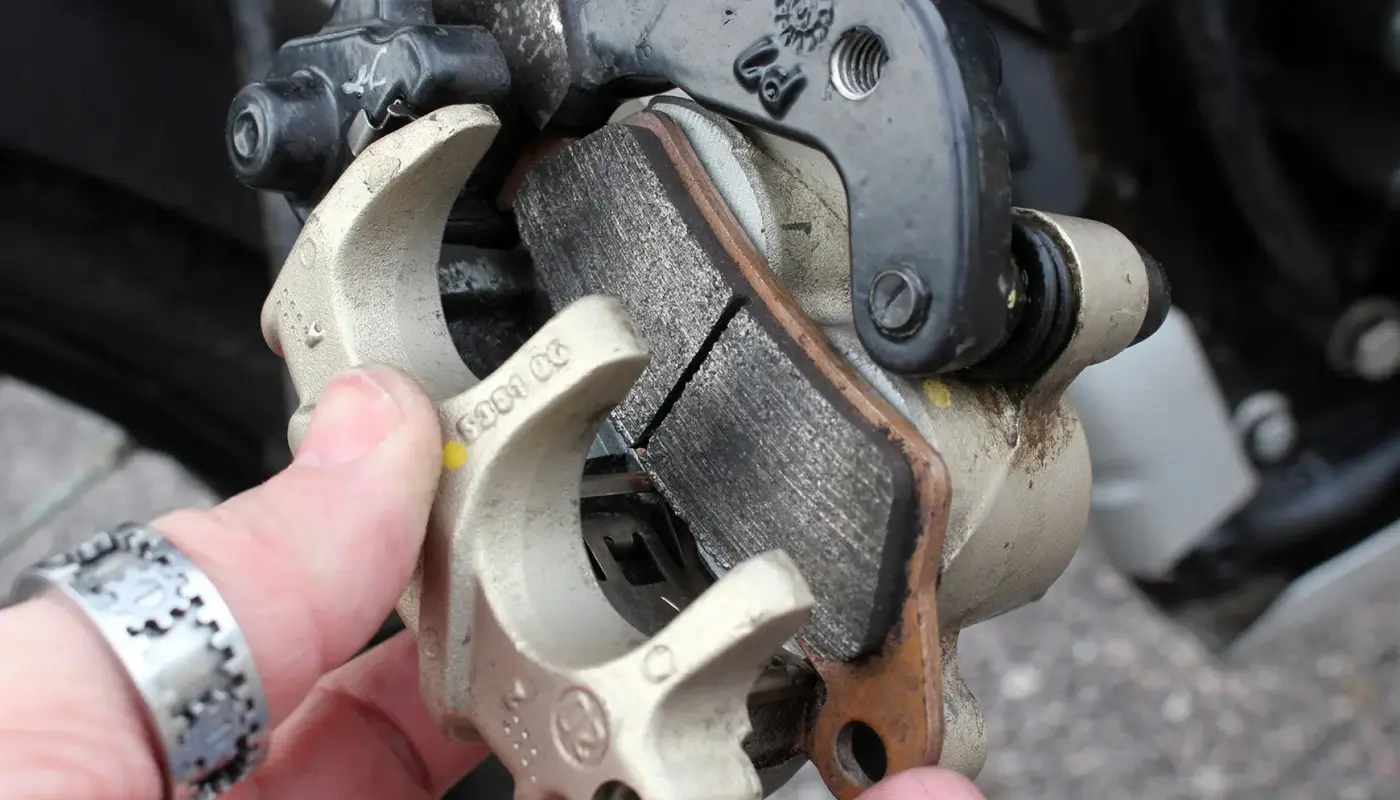
Braking is one of those things we take for granted until we’re halfway down a mountain pass or navigating a mud-slicked trail and realize—all of a sudden—we want a bit more “whoa” than we’re getting. The debate between “Sintered” vs. “Organic” (or resin) pads isn’t just about brand names; it’s about how your bike handles heat, moisture, and friction. If you’ve ever wondered why your brakes feel “wooden” on one day and “spongy” on the next, the answer is likely sitting right in your caliper.
Brake Pad Sintering: Choosing Compounds for Mountains vs. Dirt
Brake pads are one of the most overlooked yet critical performance components on any motorcycle. Riders obsess over suspension upgrades and horsepower numbers — but when descending steep mountain passes or navigating loose dirt trails, braking performance determines control, confidence, and safety. The debate between sintered and organic brake pad compounds isn’t new, but modern riding conditions in 2026 have made the choice more important than ever. Adventure bikes are heavier. Touring loads are greater. Mountain descents are longer. Dirt sections are rougher. Heat management now directly affects brake fade, rotor lifespan, and modulation feel at the lever.
But choosing the wrong compound for your terrain can mean overheating on mountain switchbacks or unpredictable feel on gravel surfaces. In this guide, we break down how brake pad sintering works, compare heat dissipation characteristics, explain what riders mean by “bite,” and evaluate long-term rotor longevity across different riding environments in the USA, UK, and European mountain regions.
What’s Actually Happening in the Caliper?
“Sintering” isn’t a buzzword; it’s a manufacturing process. It involves fusing metallic particles (like copper, iron, and bronze) under extreme heat and pressure.
The Mountain Dilemma: Heat Dissipation & Fade
When you’re descending a mountain pass, you aren’t just using your brakes; you’re converting kinetic energy into thermal energy. A lot of it.
The Trade-Off: Sintered pads pass that heat directly into your brake fluid and caliper pistons. If you’re pushing hard on a track or a long, steep mountain pass, make sure your brake fluid is fresh, or you might experience “boil” even if the pads are holding up.
The Dirt Reality: Grit, Mud, and Durability
Off-road riding is a completely different fight. You aren’t battling heat; you’re battling abrasives.
Quick Comparison: Which One for You?
| Feature | Organic (Resin) | Sintered (Metallic) |
|---|---|---|
| Initial Bite | High (Sharp & Grabby) | Gradual (Firm & Consistent) |
| Heat Resistance | Moderate (Prone to fade) | High (Excellent) |
| Wet/Mud Perf. | Poor (Sponge-like) | Excellent |
| Rotor Wear | Low | High |
| Noise | Very Quiet | Can Squeal (esp. when cold) |
| Best For | Commuting, Light riding | Mountains, Track, Off-road |
Brake Pad Sintering: People Also Ask
1. What are sintered motorcycle brake pads?
Sintered brake pads are made by fusing metallic particles under heat and pressure, creating a dense compound that resists extreme temperatures and delivers strong braking performance.
2. Do sintered pads wear rotors faster?
Yes, generally. Their metallic composition can increase rotor wear compared to softer organic pads, especially in everyday commuting use.
3. Are organic brake pads better for dirt riding?
Often, yes. Organic pads provide smoother engagement and better modulation, reducing the likelihood of abrupt lock-ups on loose terrain.
4. What is brake “bite”?
“Bite” refers to how aggressively brakes engage when the lever is first applied. Sintered pads usually offer stronger initial bite compared to organic compounds.
5. Can I mix sintered front pads with organic rear pads?
Yes, many riders run sintered pads up front for stopping power and organic pads at the rear for better modulation and reduced rotor wear.
Final Verdict — Choosing the Smart Compound
There is no universal “best” brake pad — only the best compound for your riding environment.
Final Verdict: For mountains, choose heat resistance. For dirt, choose modulation. Your rotors — and your confidence — will last longer because of it.